Moses
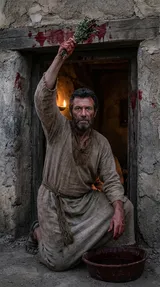
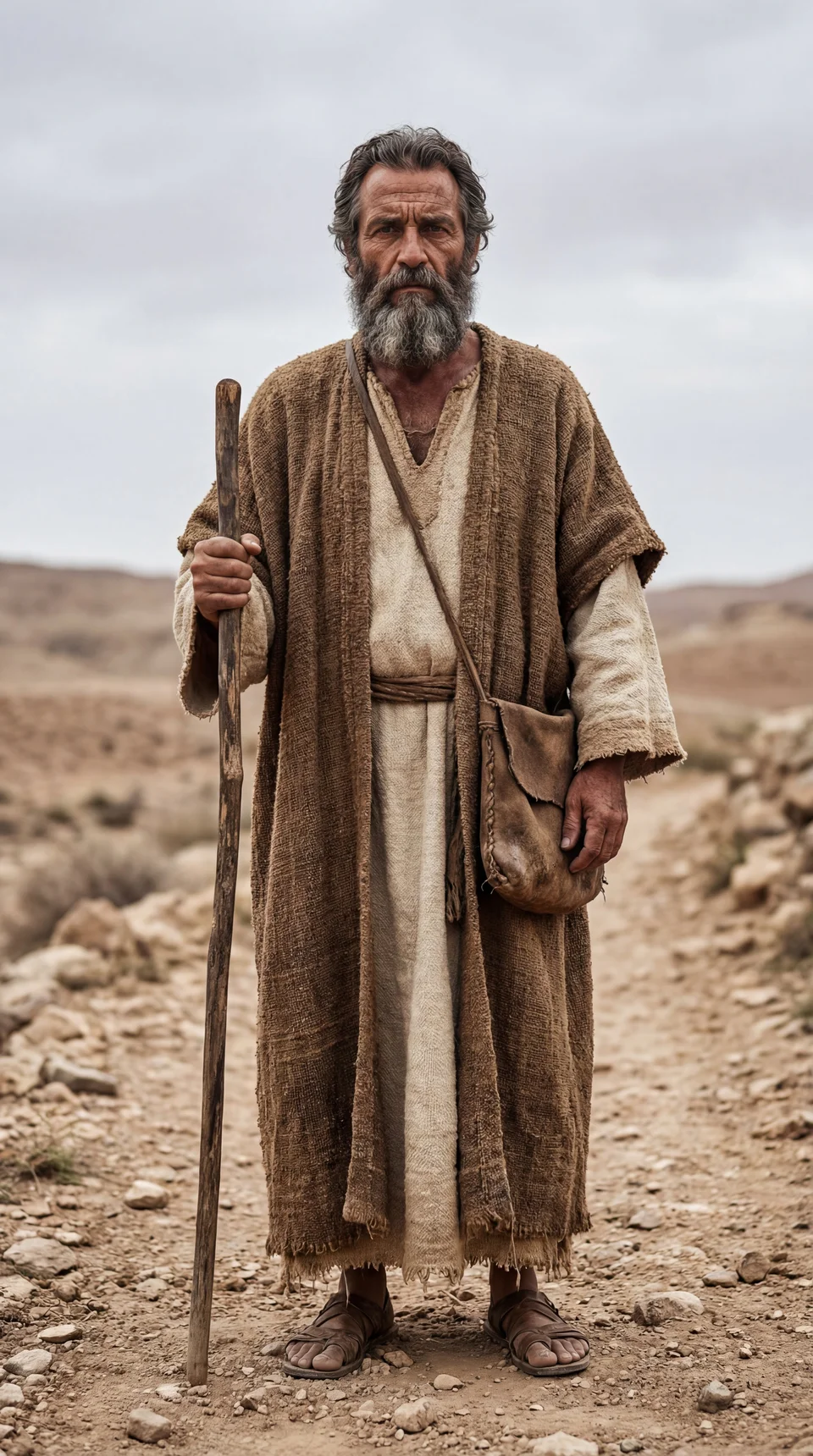
The prophet and lawgiver who commanded the Passover blood on Egypt's doors, struck the Rock at Rephidim so rivers gushed for a rebellious camp, and ascended smoking Mount Sinai.
Rescued from the Nile in an ark of bulrushes and called at the burning bush, Moses led Israel out of 430 years of Egyptian bondage through the blood of the Passover lamb (Exodus 12). In the parched wilderness of Rephidim, surrounded by a mutinous crowd ready to stone him, Moses obeyed God's command to take the judicial rod that had struck the Nile and strike the Rock at Horeb — releasing rivers of living water for an undeserving nation (Exodus 17:1–7; 1 Corinthians 10:4).
Fifty days after the Exodus, Moses ascended into the thunder and kiln-like smoke of Mount Sinai to receive the stone tablets of the Law (Exodus 19–20), shepherding Israel through forty years of daily manna before handing his mantle to Joshua at the border of Canaan (Deuteronomy 34; Joshua 1).
The Smitten Rock — The Rebellious Mob at Rephidim, The Rod of Judgment & Rivers from the Cleaved Stone
Instead of striking a rebellious, stone-throwing nation, God commands Moses to strike the Rock at Horeb—releasing rivers of living water.


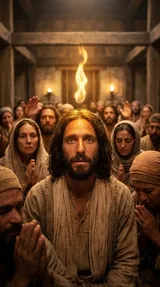
The Mountain of Fire — Mount Sinai's Thunder, The Stone Tablets & The Upper Room Fire
Fifty days after Passover, God's consuming fire moves from the unapproachable stone peak of Sinai into the chests of 120 believers.
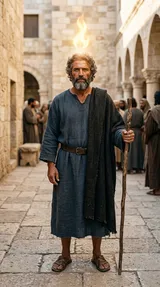

The Ceasing Manna — Forty Years of Desert Manna, Crossing the Jordan & Harvesting Canaan's Grain
Forty years of falling wilderness manna permanently cease the day Israel eats the roasted grain of Canaan, demanding spiritual maturity.