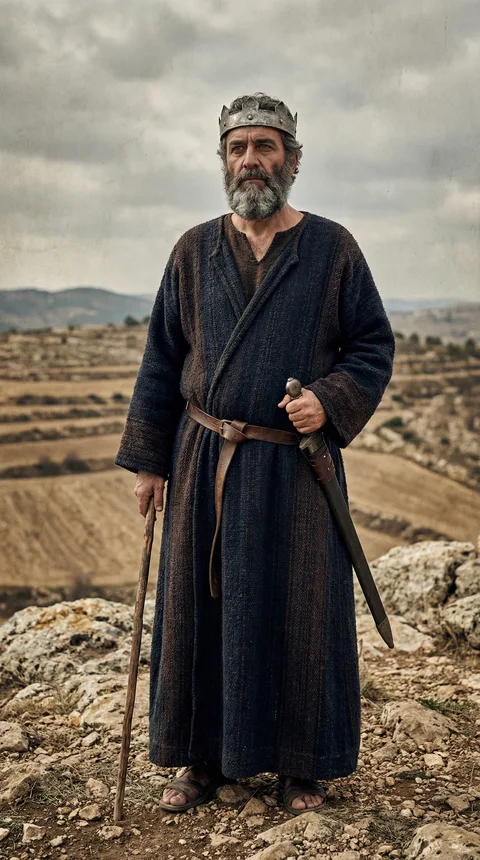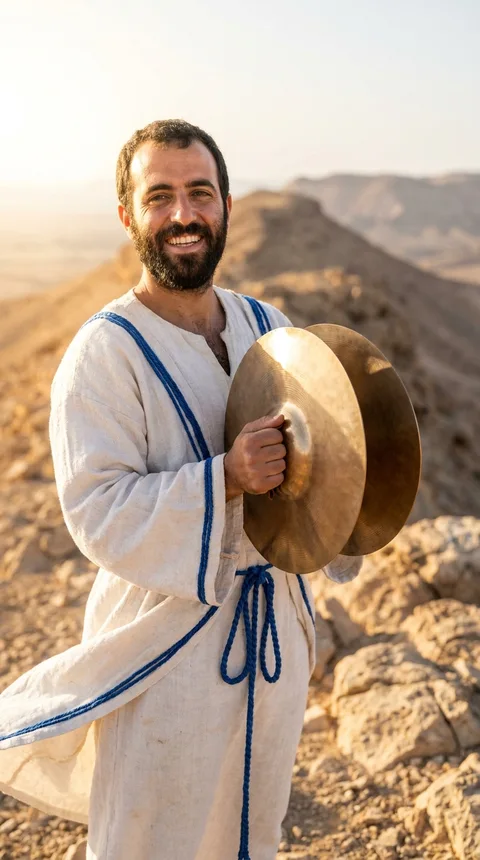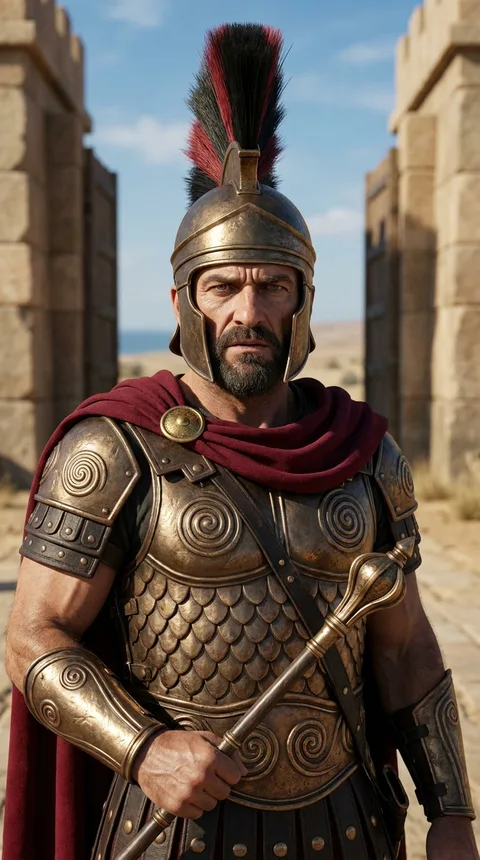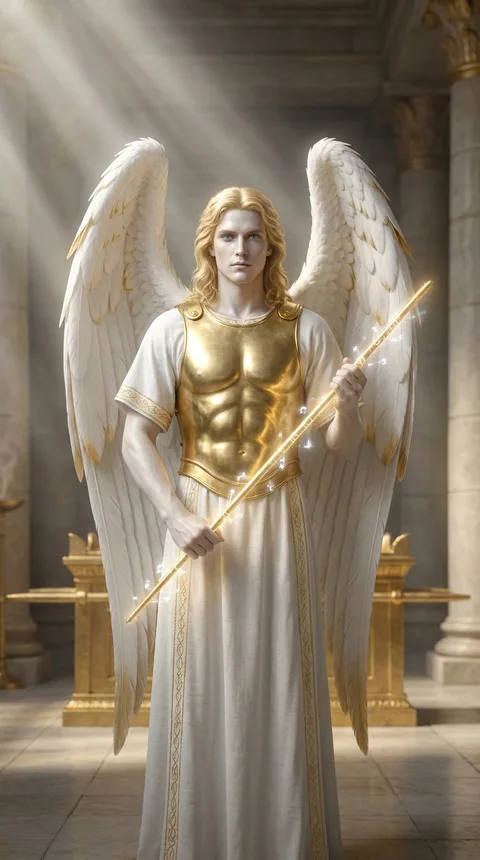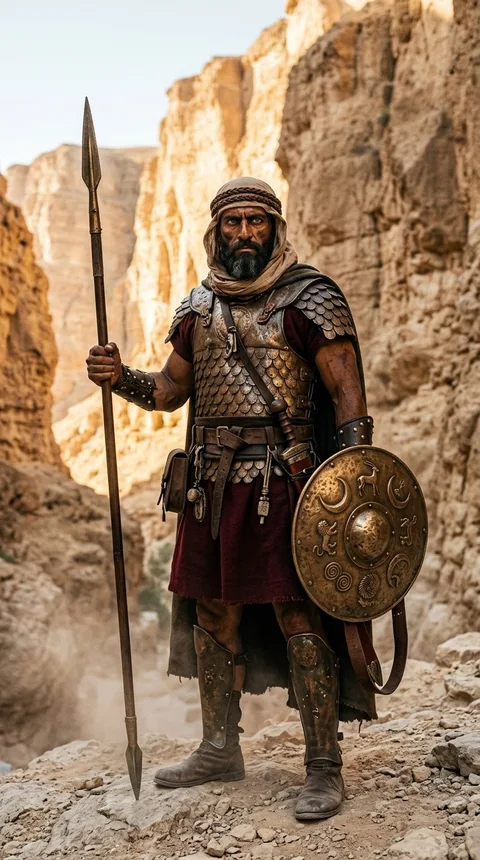
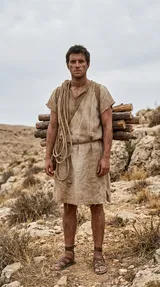
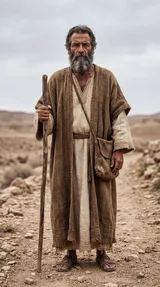
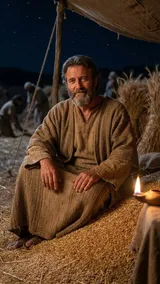
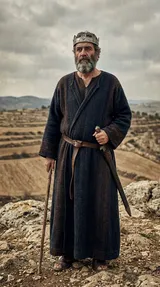
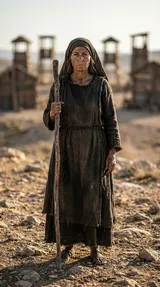
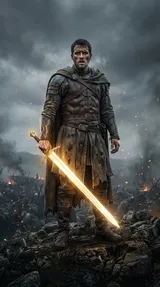
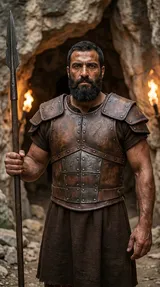




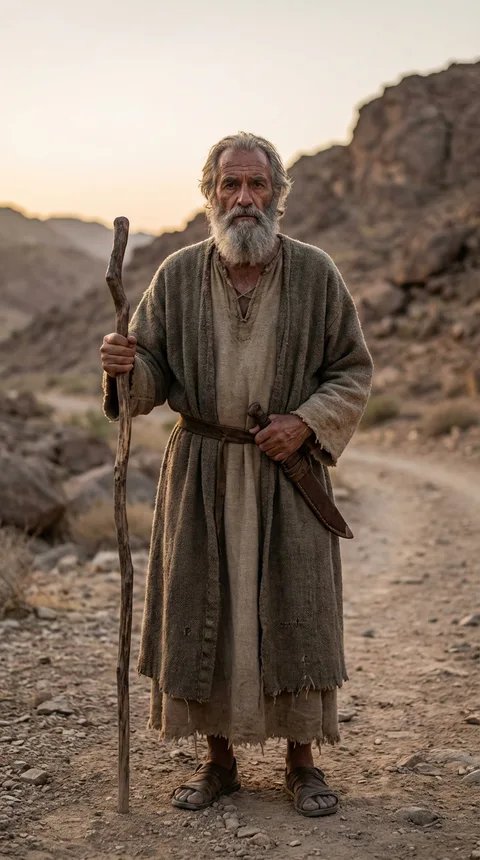
Abraham
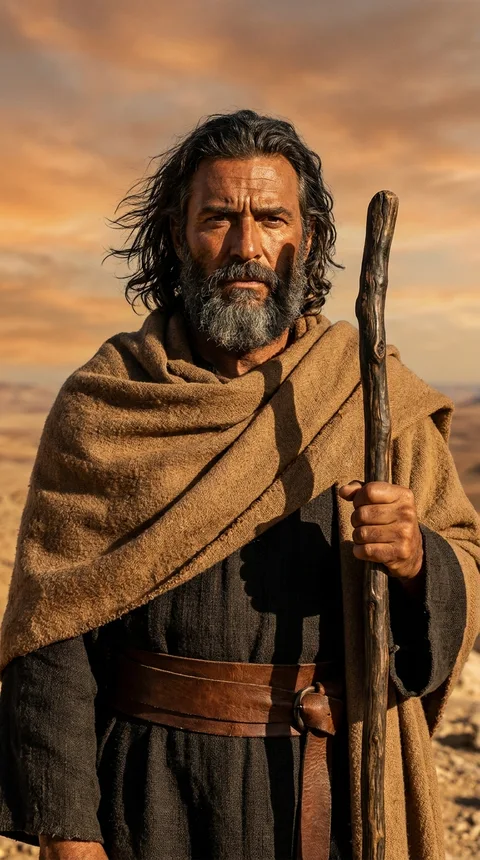
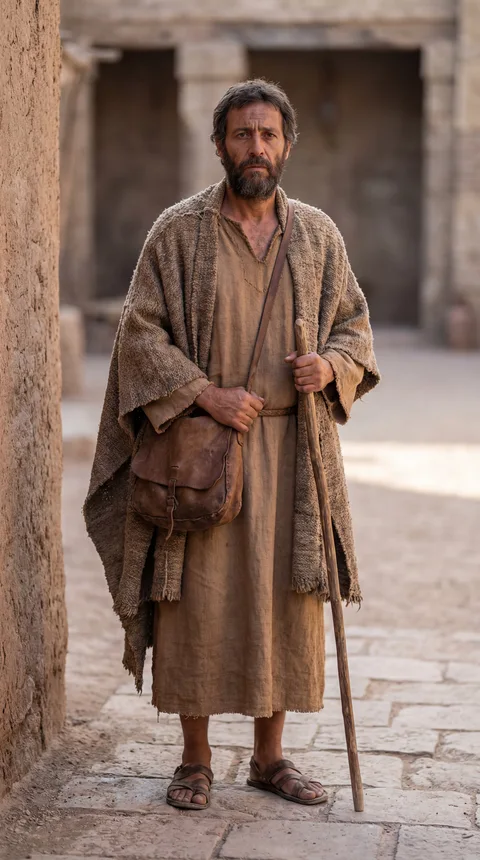
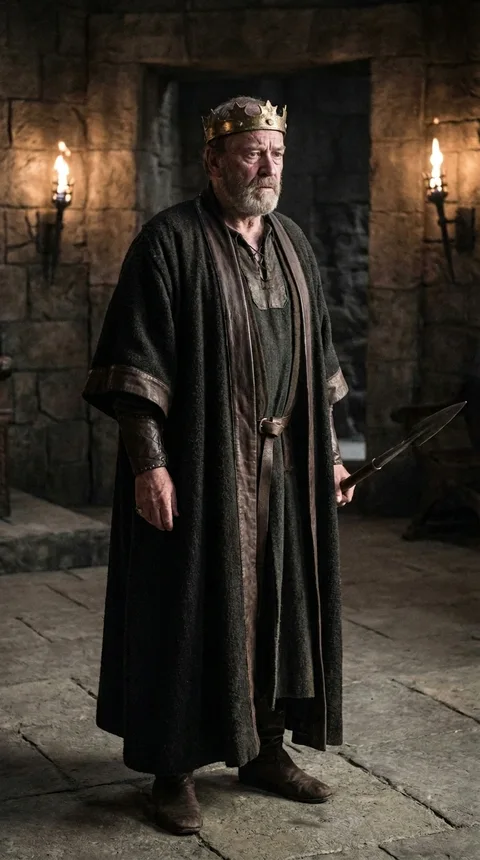
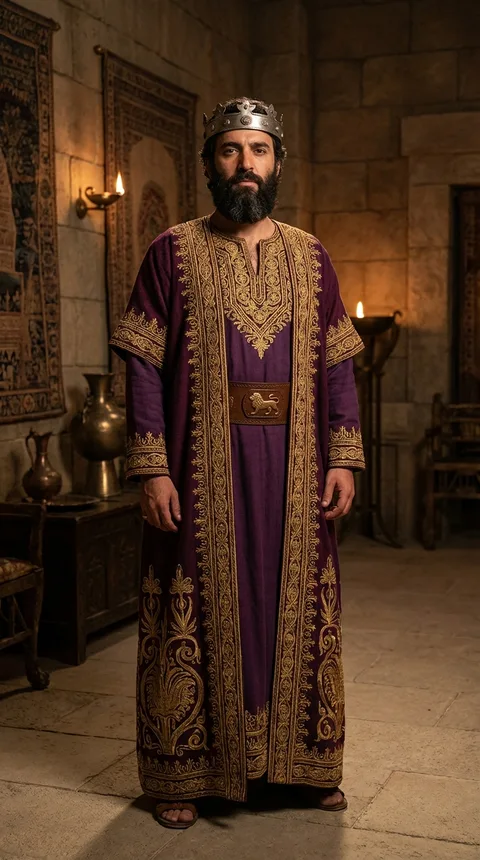
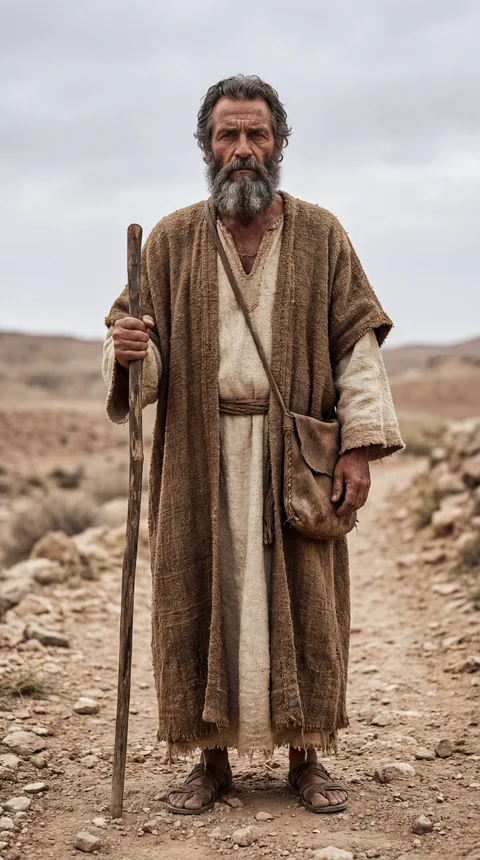
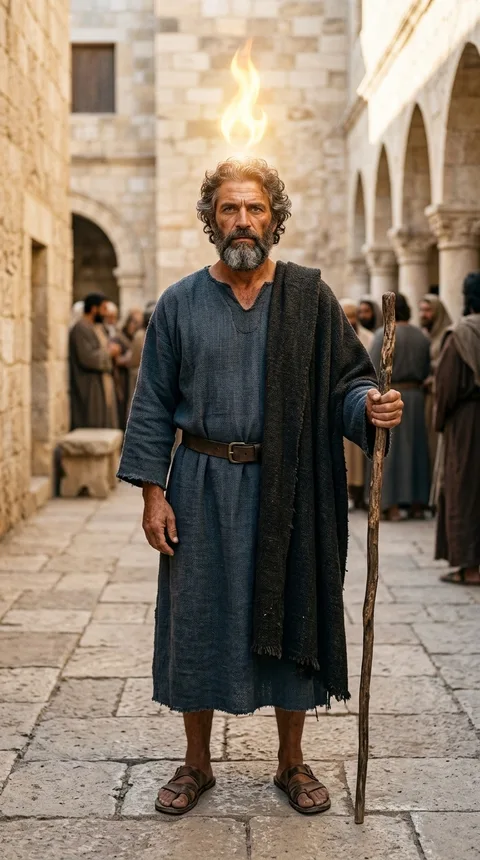
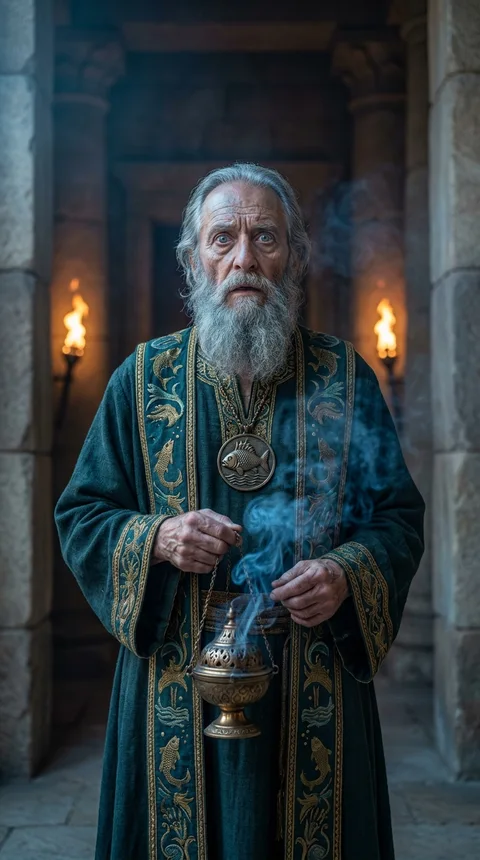
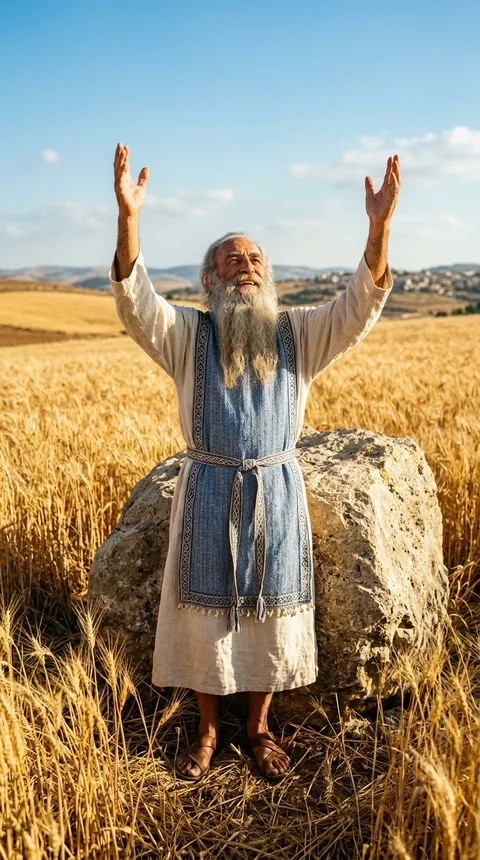
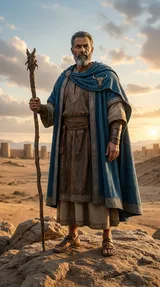
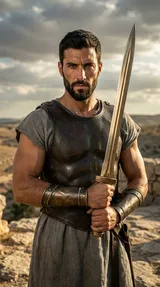
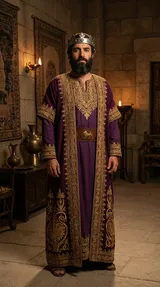
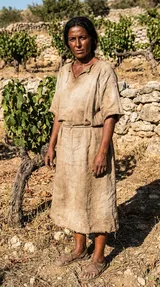
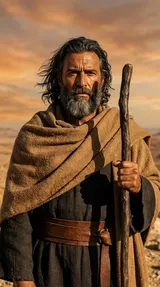
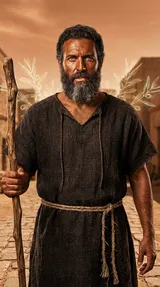
Father of the covenant nation and head of the Messianic genealogy — who split the altar wood before dawn, climbed Mount Moriah for three days with his promised son Isaac, and named the mountain Jehovah Jireh.
Search any person, unnamed Storytime figure, angelic warrior, or prophetic symbol across Scripture. Trace their family tree, compare life transformations, jump to the exact Storytime video moment, and open their Season Workbook.
Hover any star to illuminate their biblical connections; click to open their dossier.


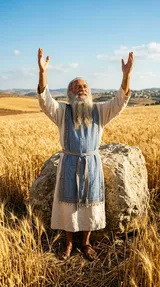
Father of the covenant nation and head of the Messianic genealogy — who split the altar wood before dawn, climbed Mount Moriah for three days with his promised son Isaac, and named the mountain Jehovah Jireh.
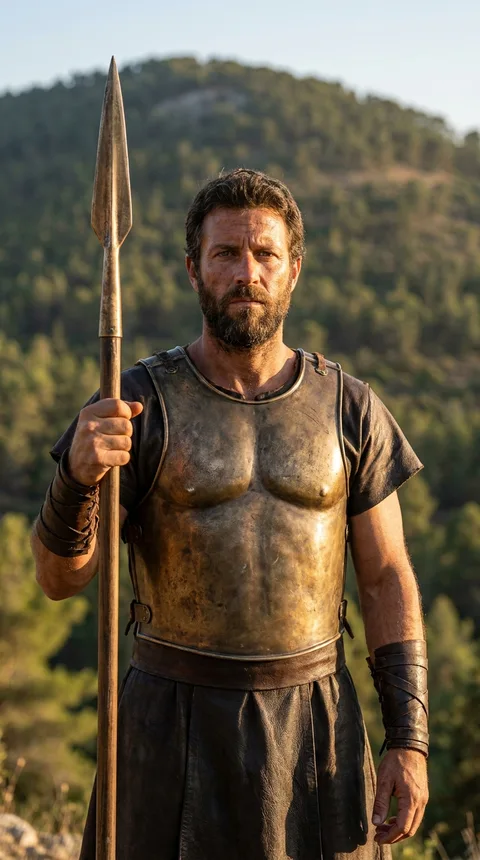
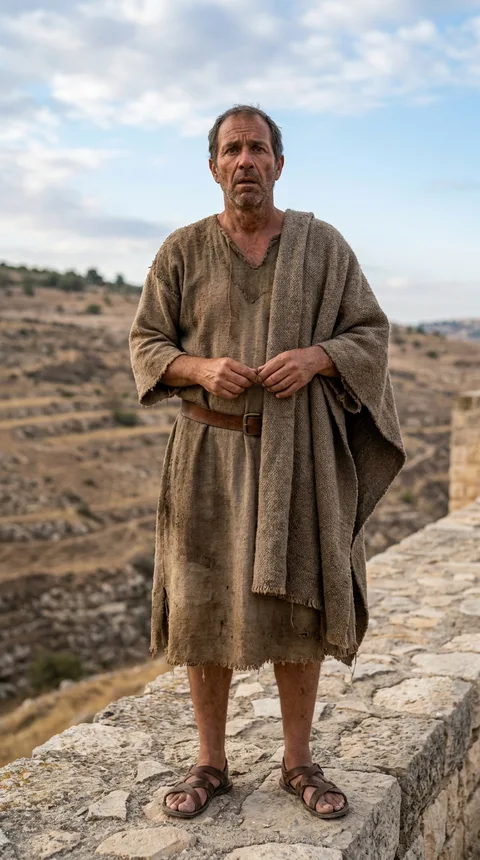
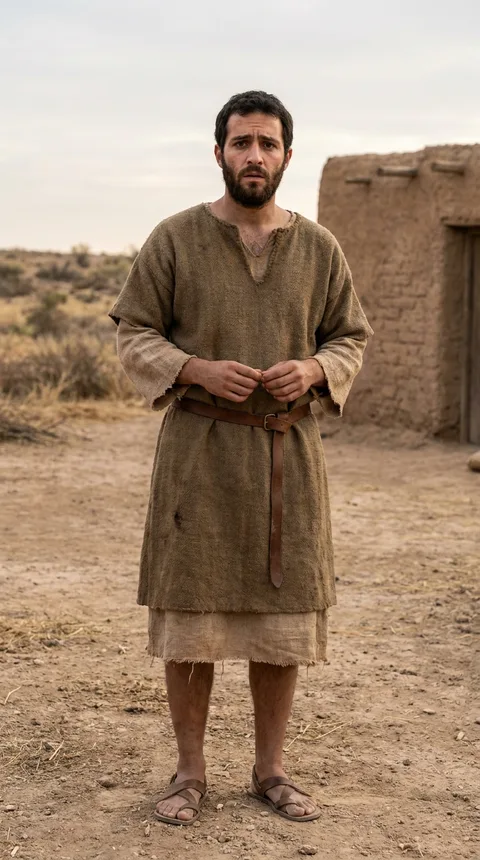
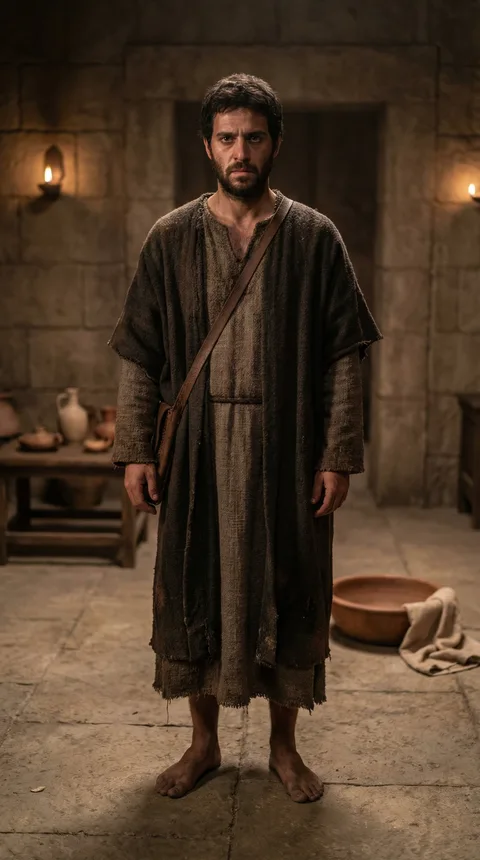
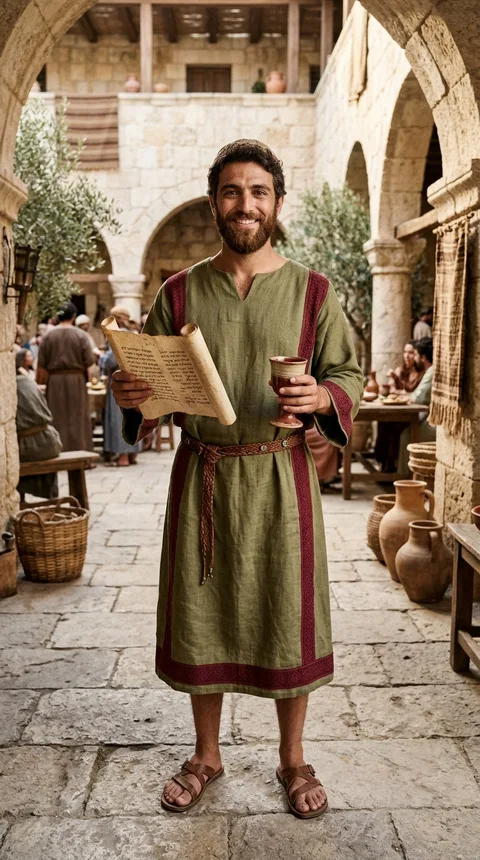
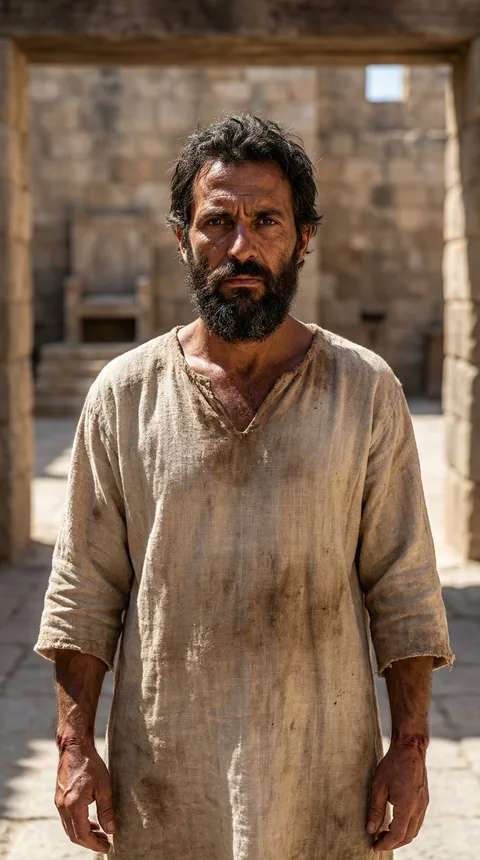
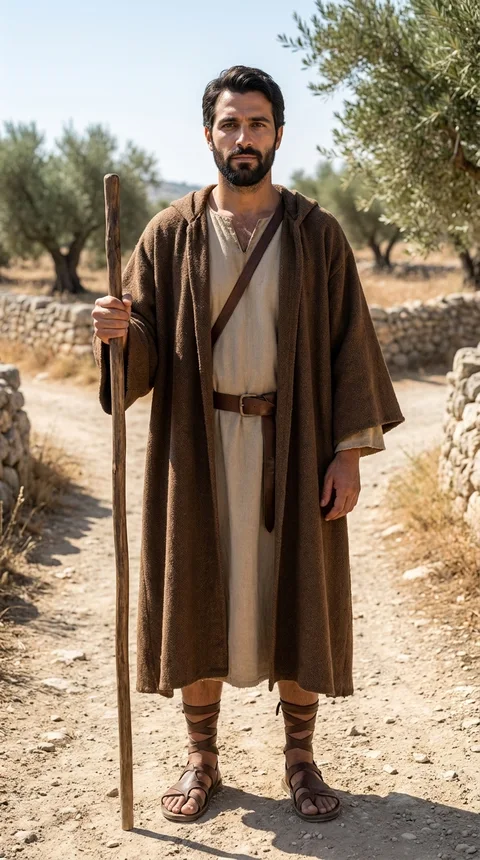
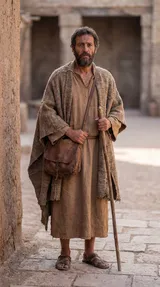
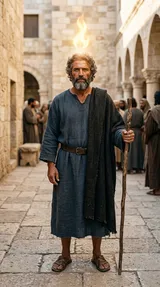
The ordinary disciple in Damascus who overcame his natural fear of the persecutor Saul, walked to Straight Street, laid hands on his former enemy calling him 'Brother Saul,' and baptized the future Apostle to the Gentiles.
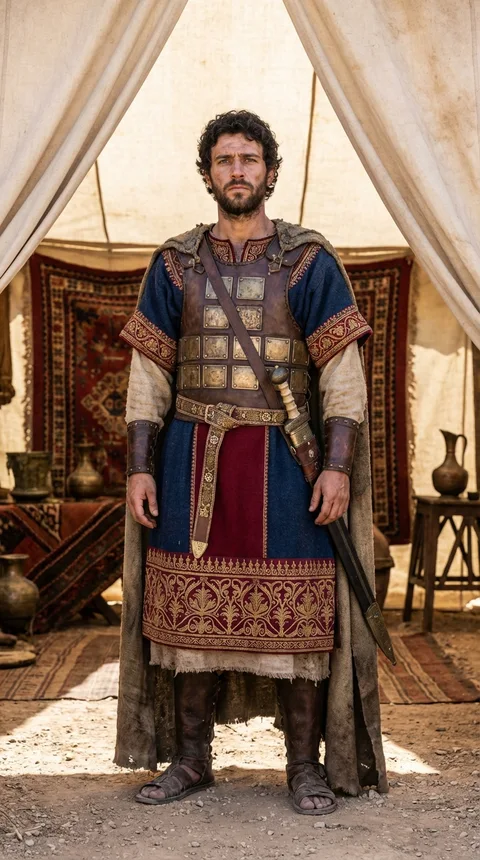
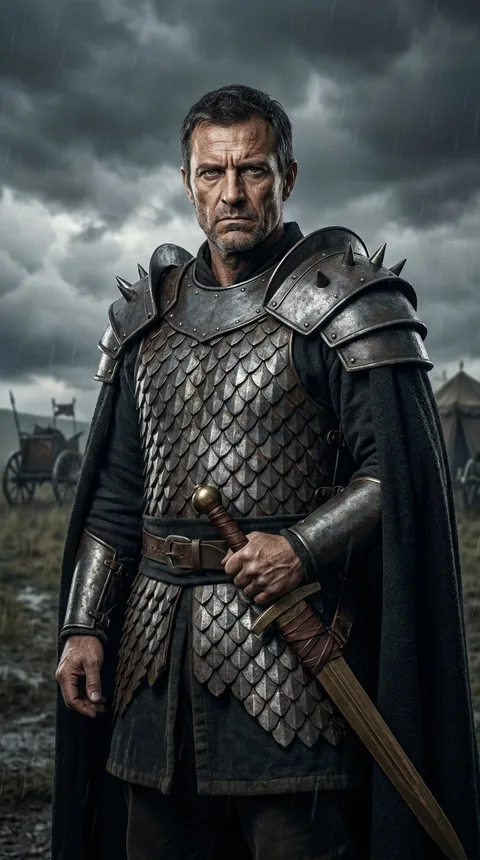
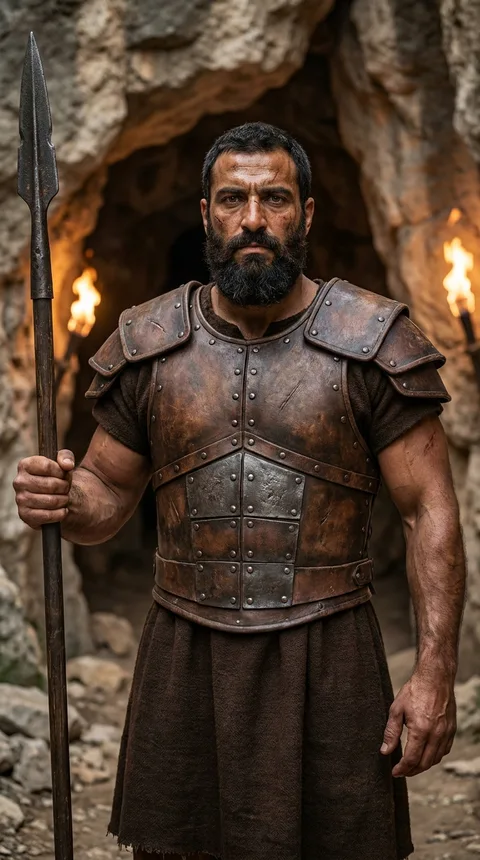
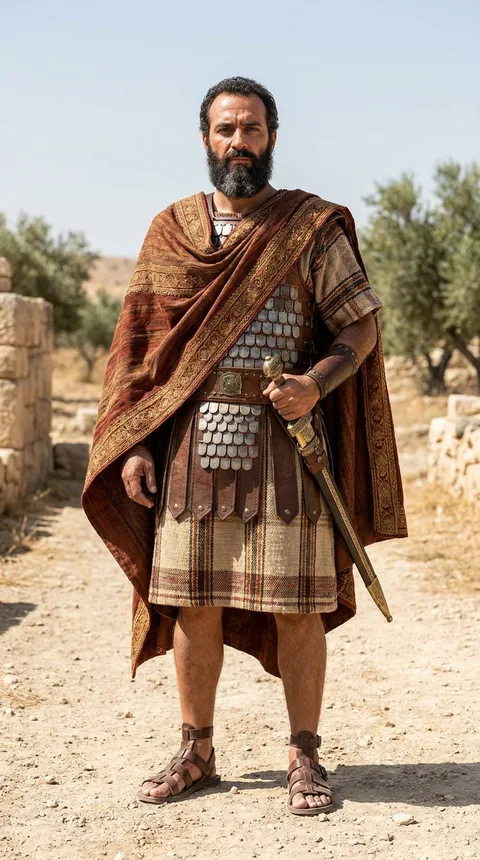
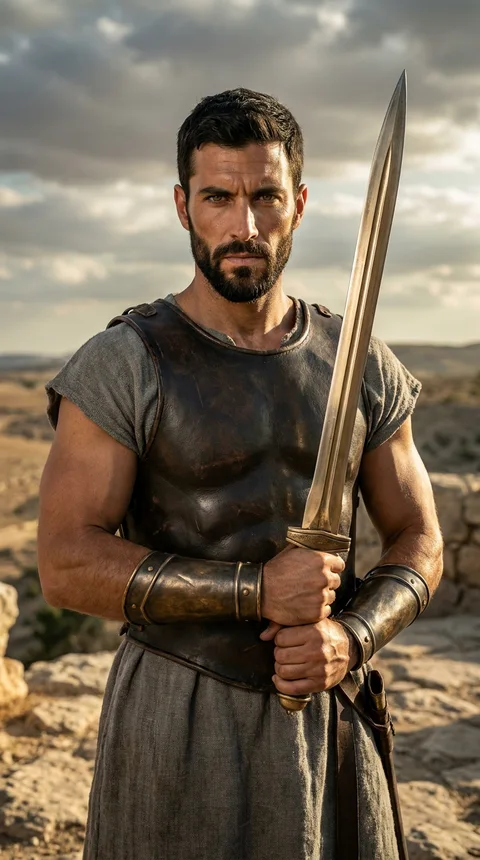
General of Israel from Kedesh-naphtali who recognized he needed Deborah's prophetic presence beside him, led 10,000 foot soldiers down Mount Tabor at her word, and routed Sisera's mud-locked chariot army.
The generous Levite from Cyprus nicknamed 'Son of Encouragement' by the apostles — who vouched for newly converted Saul in Jerusalem and later risked his partnership with Paul to mentor and restore his panicked young cousin John Mark.
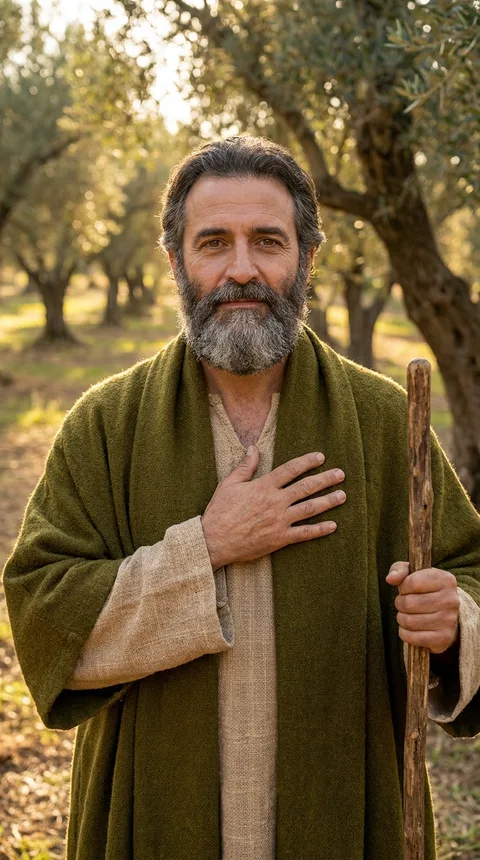
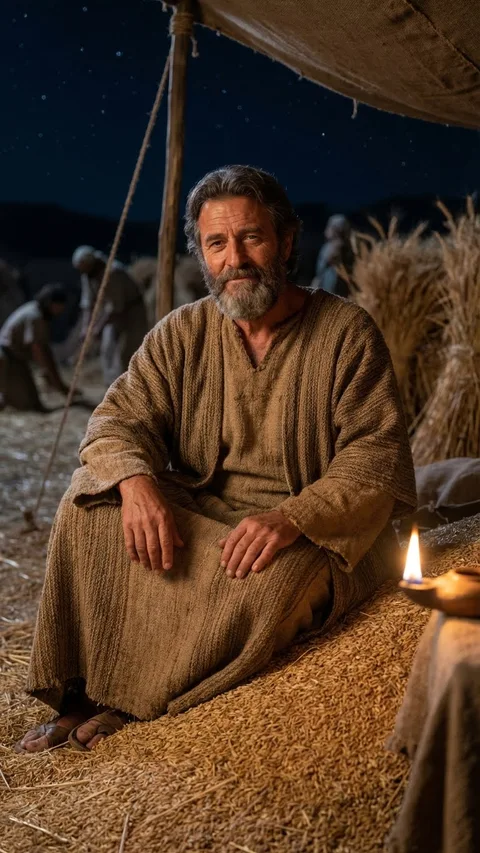
Son of Salmon and Rahab, worthy lord of the harvest in Bethlehem, and Kinsman-Redeemer (Goel) who spread his garment over Ruth the Moabite, paid the price at the city gate, and fathered Obed in the Messianic line.
Fearless warrior prince of Israel and heir to Saul's throne — whose soul was knit to David's, stripping off his own royal robe, armor, sword, bow, and belt to celebrate his covenant brother's calling.
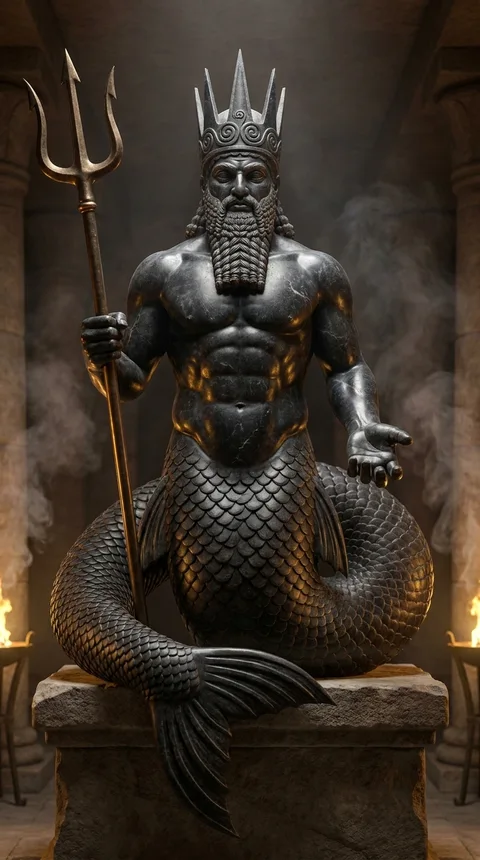
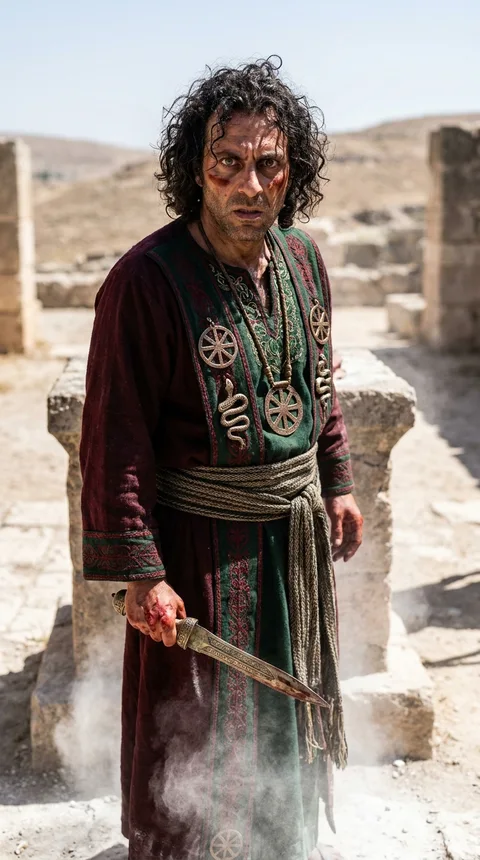
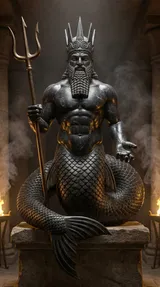
The chief national idol of the Philistines in Ashdod — beside whom they placed the captured Ark of the Covenant, only to find Dagon fallen face down before the Ark on the first morning and decapitated with his hands severed on the threshold on the second.
The shepherd boy who felled Goliath with a sling, hid with 400 outlaws in the Cave of Adullam, and became Israel's anointed warrior-king — "a man after God's own heart" whose line leads to Jesus.
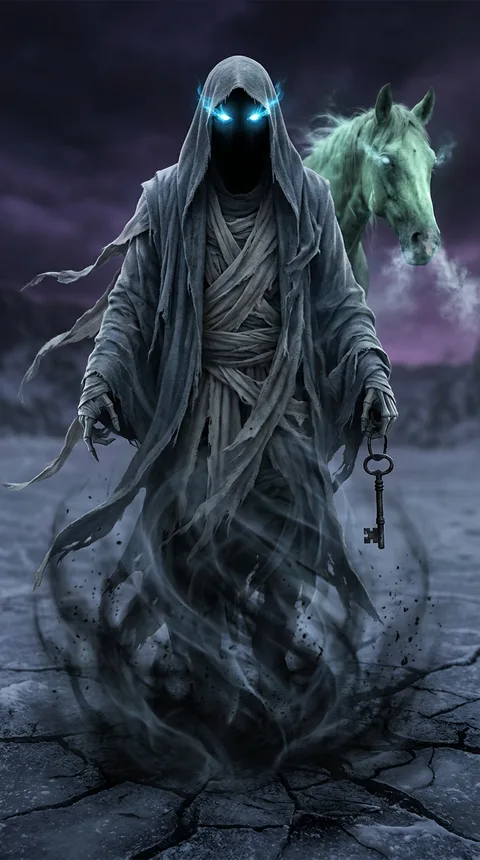
The fourth horseman of Revelation 6:7–8 — named Death with Hades following behind — whose jurisdiction is strictly capped at a fourth of the earth before Death and Hades themselves are cast into the Lake of Fire.
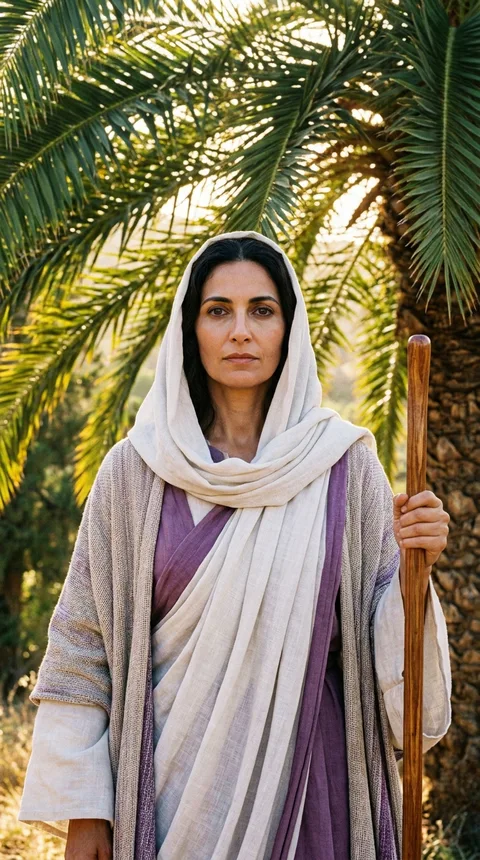
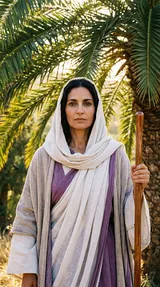
The prophetess and judge who held court under the Palm of Deborah, arose as 'a mother in Israel' against twenty years of Canaanite oppression, marched up Mount Tabor beside General Barak, and declared the exact moment the LORD went out before Israel.
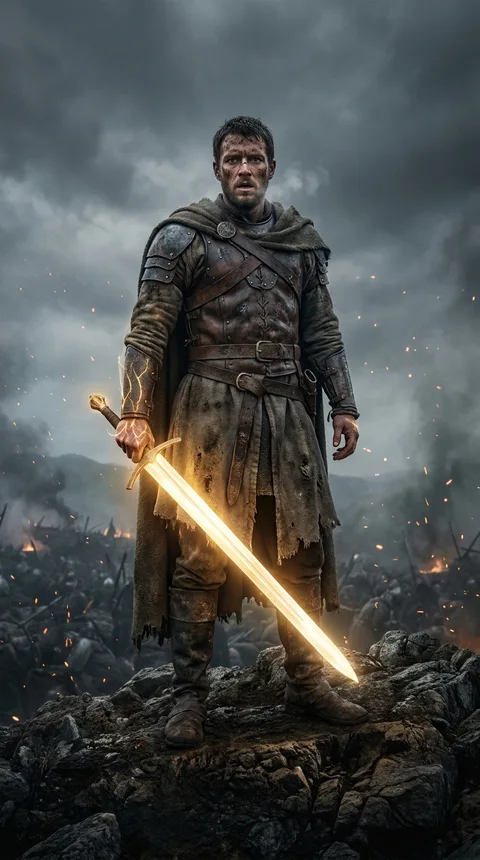
Forged from a broken outlaw in the Cave of Adullam into one of David's Three Mighty Men — who stood alone in the barley field at Pas-dammim and struck down Philistines until his hand froze to his sword.
The fiery Tishbite prophet whose name declares 'My God Is Yahweh' — who stood alone against 450 prophets of Baal on Mount Carmel, soaked the altar with twelve jars of water, and called down the fire of the LORD with a 63-word prayer.
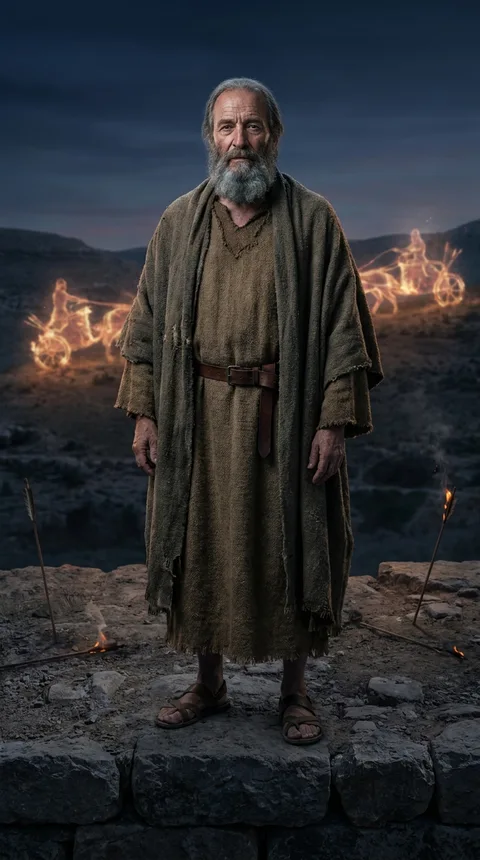
Elijah's double-portion successor who multiplied a bankrupt widow's oil behind closed doors, cleansed Naaman in the Jordan while discerning Gehazi's hidden silver, and saw the mountain of Dothan ablaze with horses and chariots of fire.
The young attendant who stepped outside at dawn in Dothan, panicked at the Syrian iron chariots surrounding the city, and cried 'Alas, my master! What shall we do?' — until Elisha prayed and his eyes opened to behold the mountain full of horses and chariots of fire.
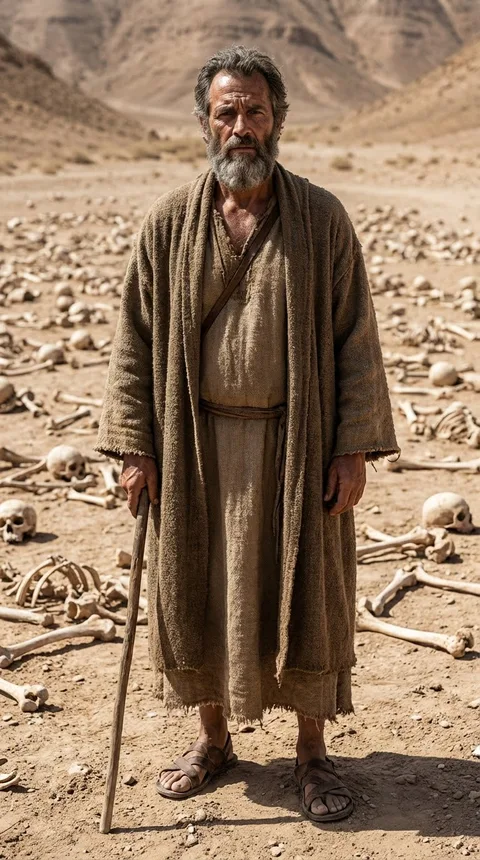
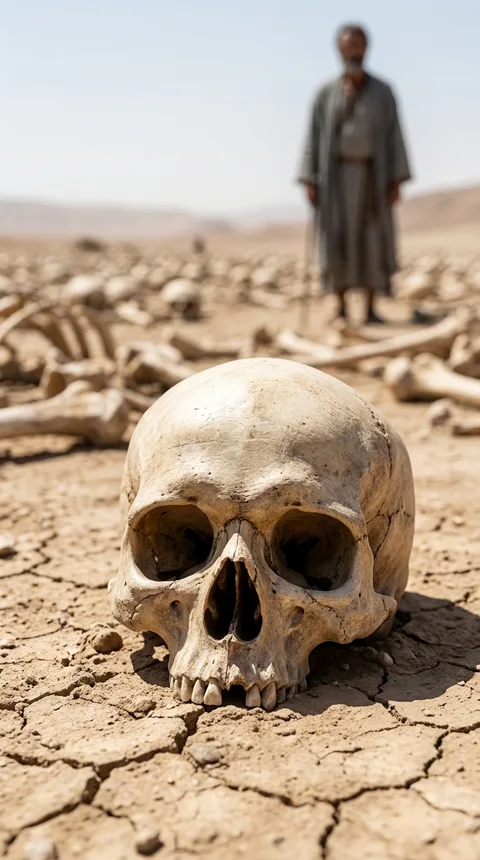
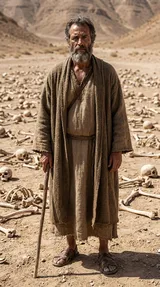
Exiled priest-prophet in Babylon who was set down by the Spirit in a valley of sun-bleached skeletons and obeyed the command to prophesy to the dry bones and summon the four winds of breath until an exceedingly great army stood on its feet.
Elisha's personal attendant who was positioned to inherit the prophetic mantle — until he chased after Naaman's chariot with a fabricated story, buried two talents of silver in his house, lied to Elisha's face, and walked out white with Naaman's leprosy.
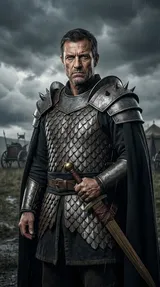
The ruthless Canaanite commander who oppressed Israel harshly for twenty years with 900 iron chariots — until God's cloudburst bogged his wheels in the Kishon River and Jael's tent peg ended his tyranny.
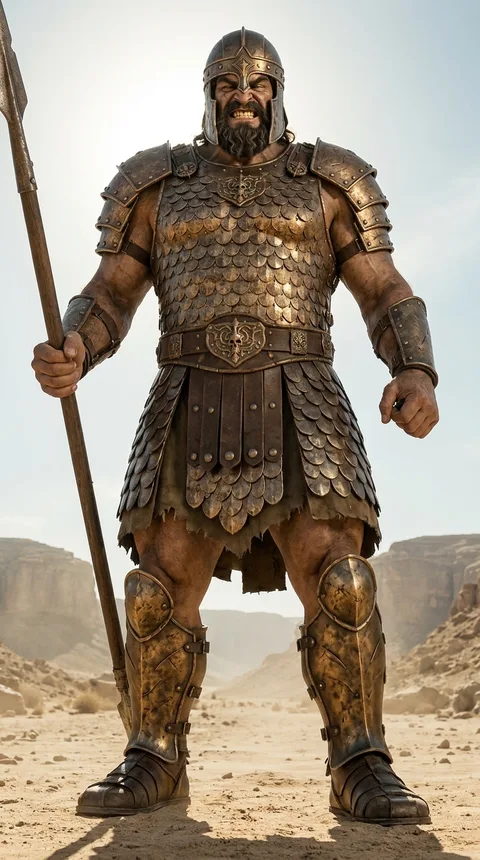
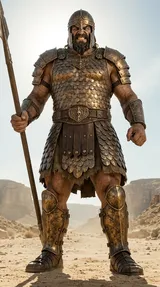
The nine-foot-nine Philistine champion encased in 125 pounds of bronze scale armor who defied the armies of the living God morning and evening for forty days — and fell face down before a single smooth stone from David's sling.
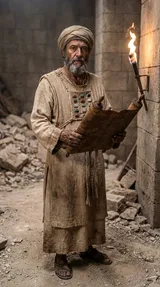
Nehemiah's brother who walked nearly a thousand miles from ruined Jerusalem to Susa to tell the unvarnished truth about the broken walls and burned gates.
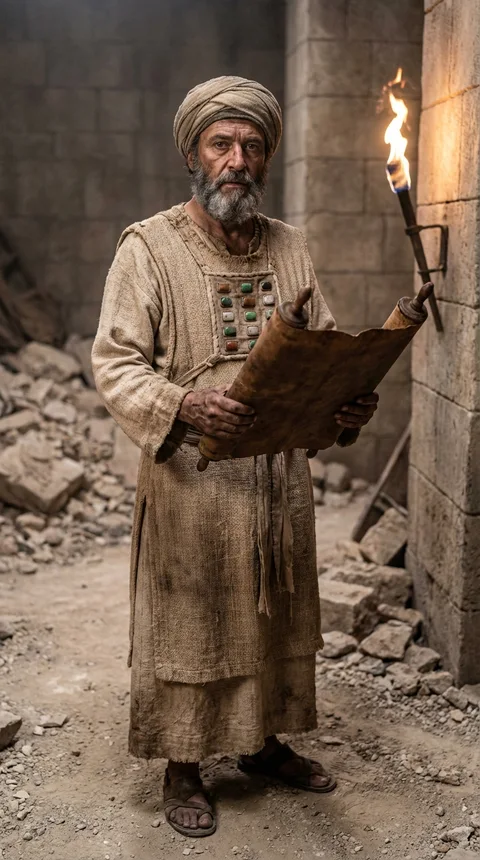
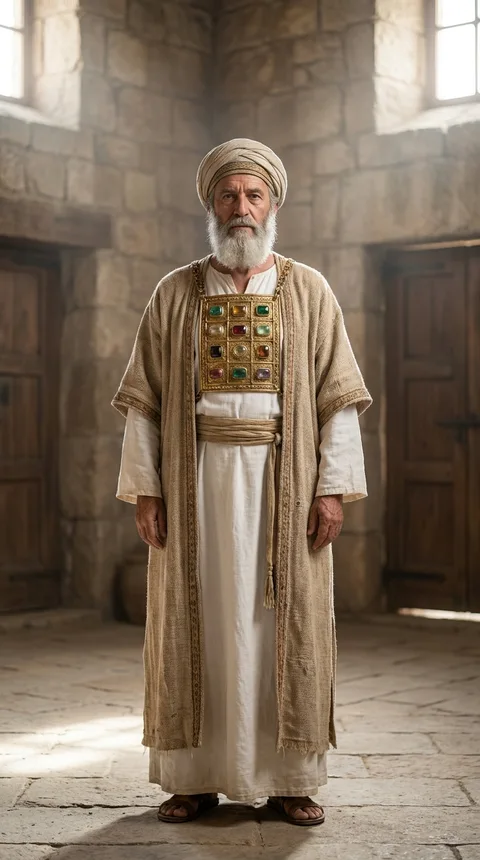
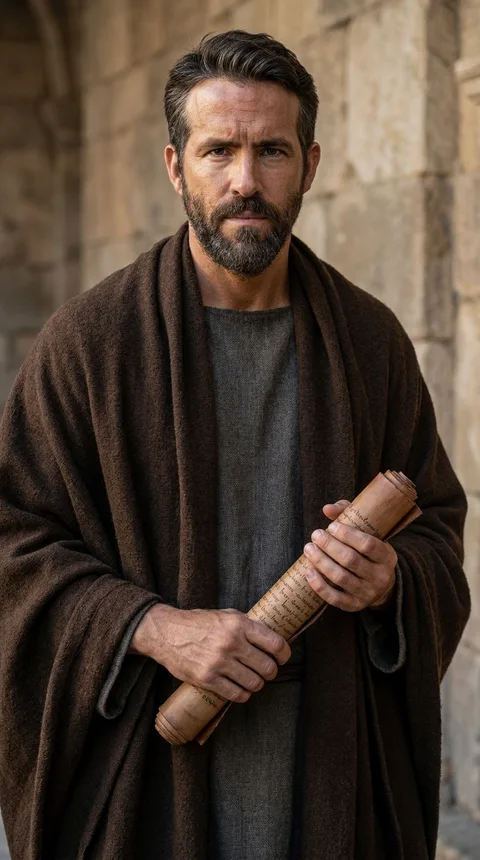
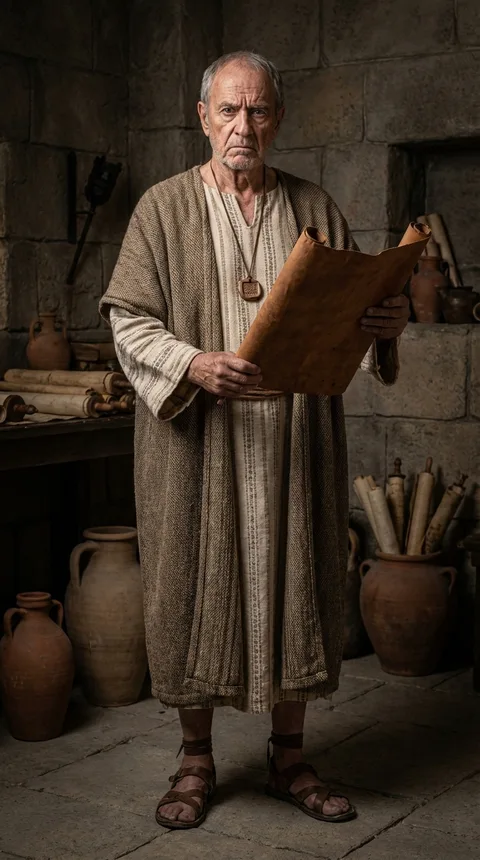
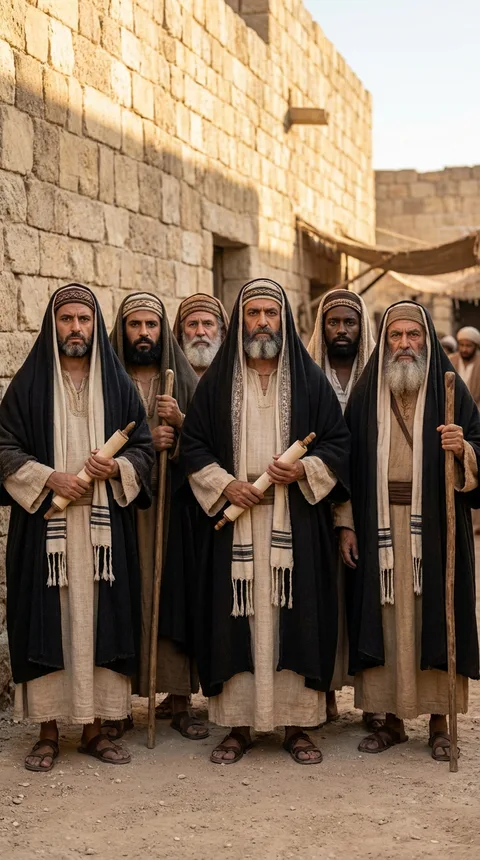
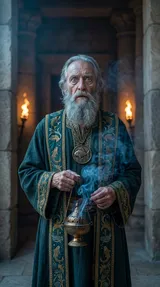
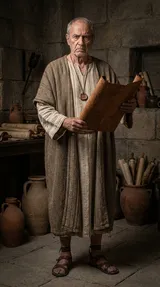
High Priest under King Josiah who oversaw the cleaning and repair of Solomon's Temple and unearthed the lost scroll of the Book of the Law from the rubble.
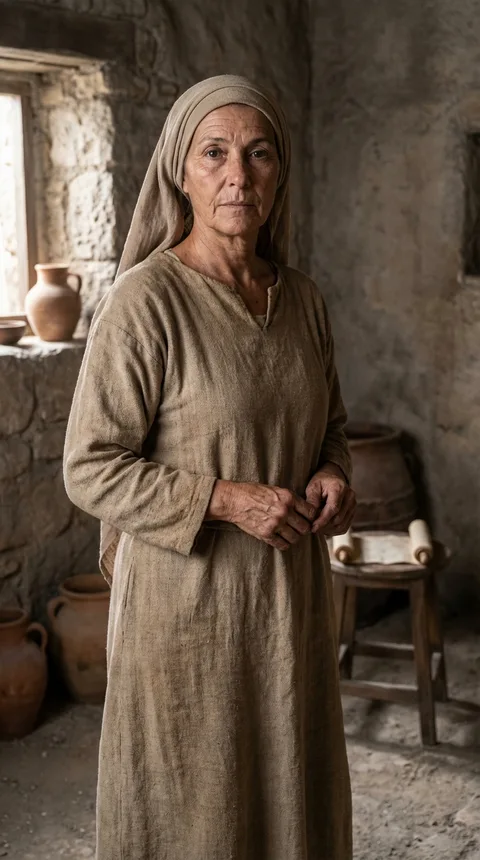
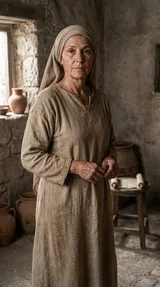
The authoritative covenant prophetess in Jerusalem's Second Quarter whom King Josiah's high priest and court officials consulted to verify the rediscovered Book of the Law — proclaiming both righteous judgment on idolatry and tender mercy on Josiah's penitent heart.
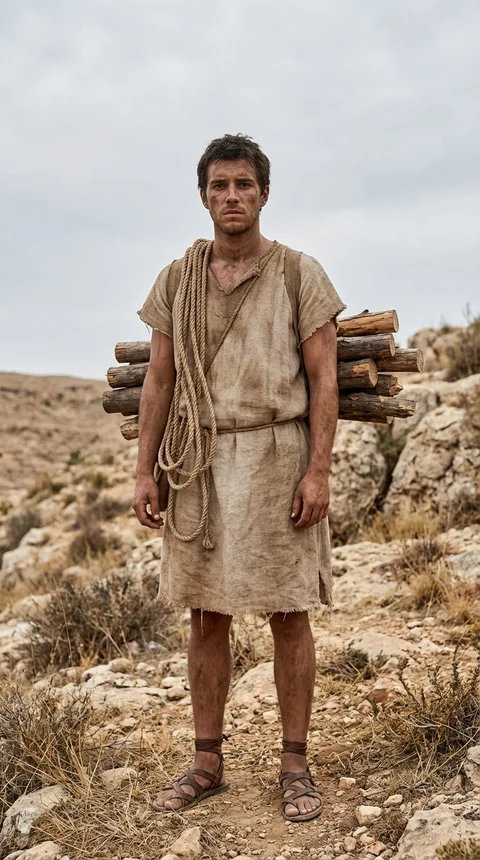
The miracle son of Abraham and Sarah who carried the altar wood up Mount Moriah, asked 'Where is the lamb for a burnt offering?', and was spared when God provided the ram in the thicket.
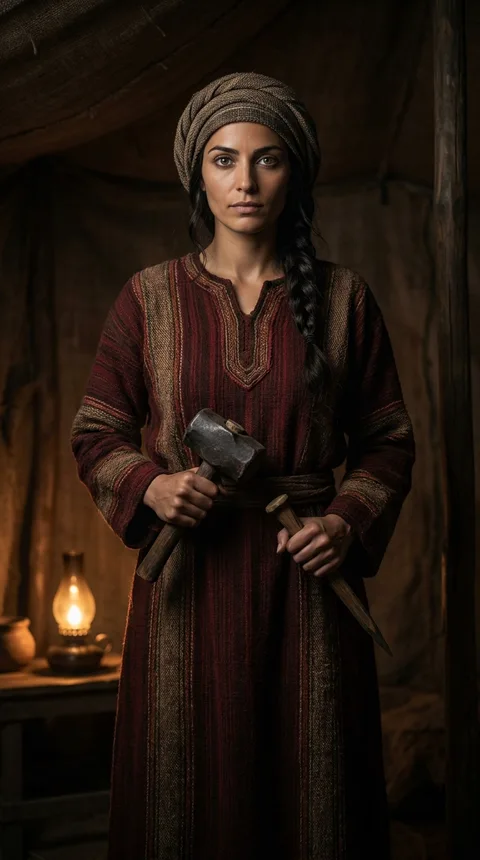
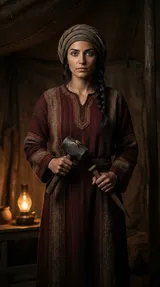
The fearless Kenite woman who welcomed the fleeing Canaanite general Sisera into her tent, gave him warm milk in a lordly bowl, and used the everyday tools in her hands — a tent peg and a workman's mallet — to crush the enemy's head.
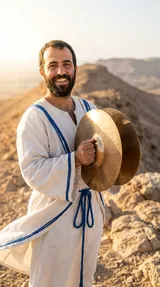
The Levitical worshipper of the sons of Asaph upon whom the Spirit of the LORD came in the middle of the assembly — proclaiming to King Jehoshaphat, 'Do not be afraid and do not be dismayed at this great horde, for the battle is not yours but God's.'
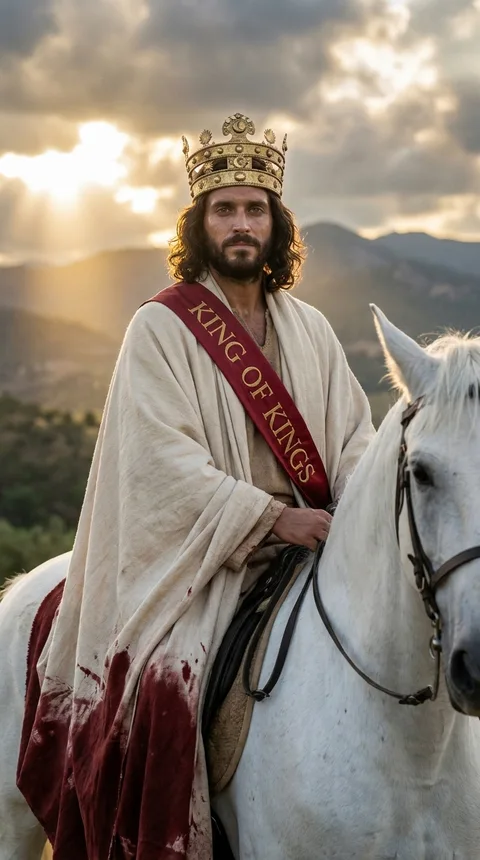
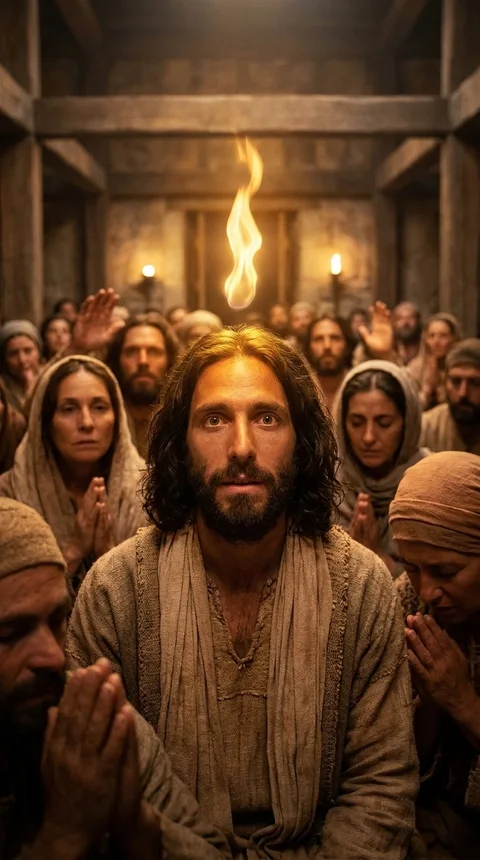
The eternal Son of God and promised Messiah — who calmed the Galilean storm, washed His disciples' feet, bore our judgment on the cross, rose as Firstfruits, and returns on a white horse as King of Kings.
The young Jerusalem assistant who panicked at Pamphylia and abandoned the first missionary journey — yet through Barnabas's patient restoration overcame shame to write the Gospel of Mark and hear aged Paul call him 'very useful to me for ministry.'
The youngest apostle and 'disciple whom Jesus loved' — who witnessed Christ calm the Galilean tempest and, as an aged prisoner on Patmos, wept before the sealed scroll and recorded the Book of Revelation.
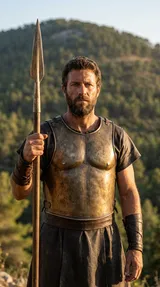
First among King David's elite Three Mighty Men — forged in the Cave of Adullam and renowned for wielding his spear against 800 enemy soldiers whom he killed at one time.
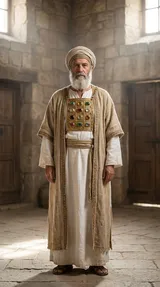
Post-exilic High Priest who stood silent in Heaven's courtroom clothed in filthy garments while Satan accused him — until the LORD rebuked the Accuser, stripped away his iniquity, and clothed him in pure festal robes and a clean turban.
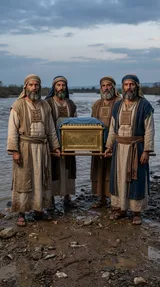
Moses' faithful successor who commanded the priests to step into the flood-stage Jordan with the Ark, celebrated the Passover at Gilgal when the forty-year manna ceased, and led Israel's conquest of Canaan.
The treasurer among the twelve disciples who bargained to betray Jesus for thirty pieces of silver — yet had his feet tenderly washed by Christ in the Upper Room.
The apostate king of northern Israel who promoted Jezebel's Baal worship on Mount Carmel, jailed the true prophet Micaiah, and disguised his royal armor at Ramoth-gilead — only to be struck by an arrow drawn at random.
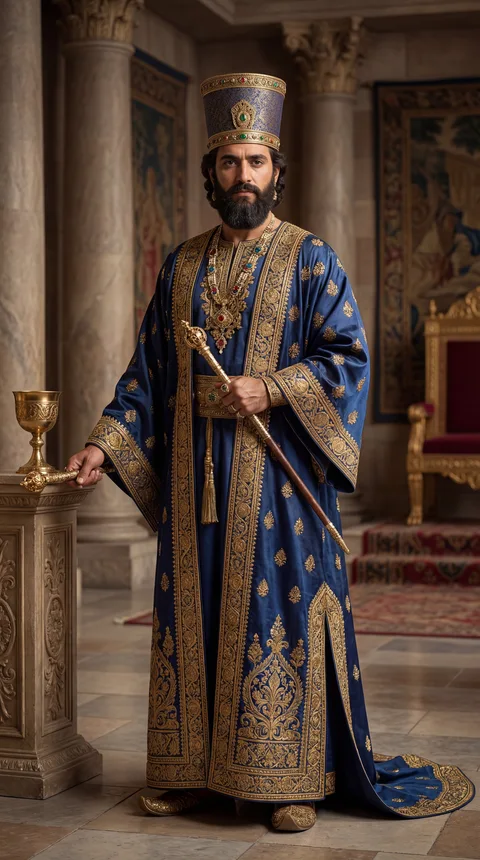
Emperor of the Persian Empire whose heart God turned to pardon Nehemiah's sorrowful face, grant royal passports, and supply cedar timber from the King's forest to rebuild Jerusalem.
Righteous king of Judah in the Messianic line who insisted on hearing the true prophet Micaiah at Ramoth-gilead and defeated a three-nation invasion by sending a Levite praise choir ahead of his army.
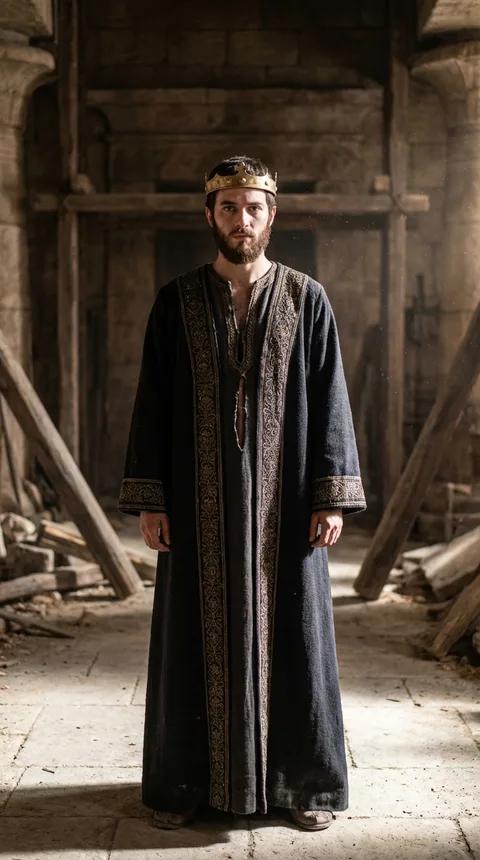
Boy-king of Judah in the Messianic line who ordered the repair of the Temple at age twenty-six, tore his royal robes in visceral repentance when the lost Book of the Law was read aloud, and led the greatest covenant renewal in Judah's history.
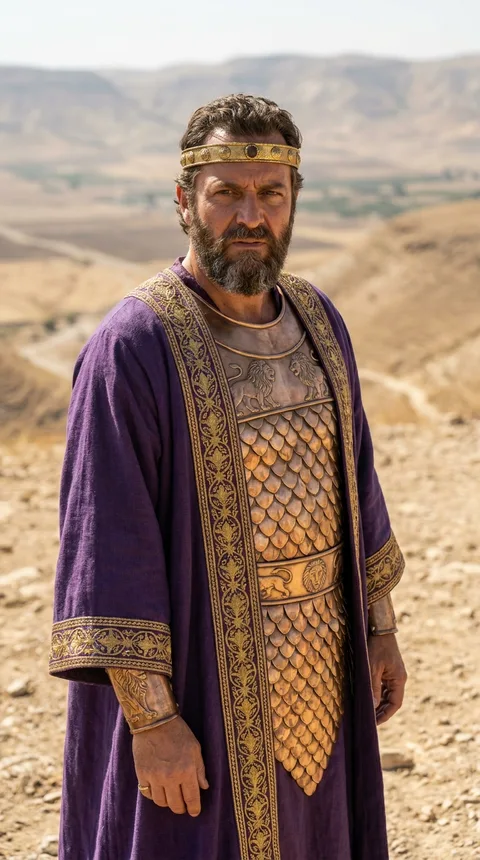
Israel's tall first monarch who cowered before Goliath in heavy bronze armor, hurled his spear at David and Jonathan in jealous rage, and broke Israel's oath with the Gibeonites.
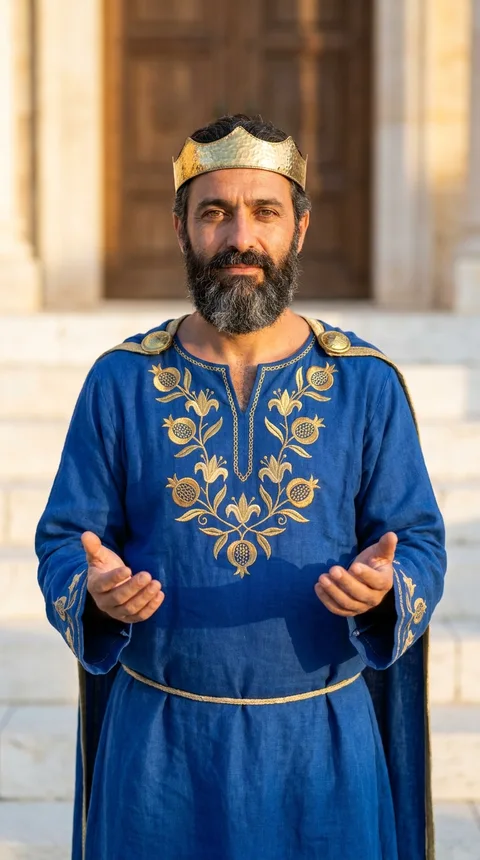
Son of David and Bathsheba, builder of the First Temple, and royal Bridegroom of the Song of Songs who pursues the sun-scorched Shulammite with intentional affirmation and covenant love.
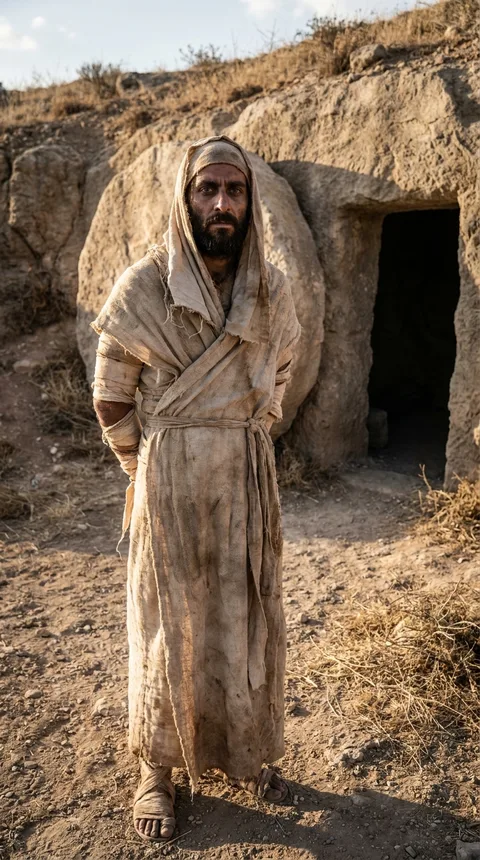
Brother of Martha and Mary in Bethany who lay dead four days in a cave — and who stepped out alive at Jesus' shout, still bound hand and foot in linen grave strips until Jesus commanded the community, 'Unbind him, and let him go.'
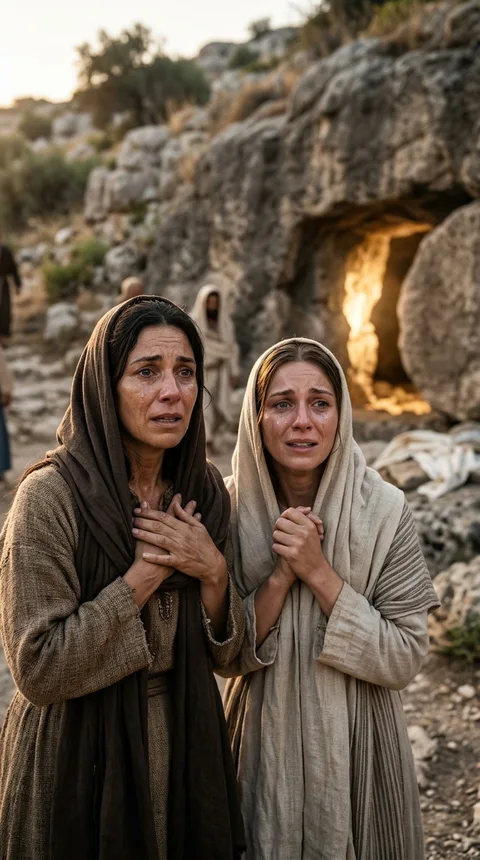
Older sister of Lazarus and Mary in Bethany who confessed Jesus as 'the Christ, the Son of God,' warned of the four-day stench at the tomb, and helped unbind her resurrected brother.
Delivered by Jesus from seven demons, faithful witness at the cross, and first herald of the empty tomb at dawn on the Feast of Firstfruits.
Devoted sister of Martha and Lazarus who sat at Jesus' feet, wept before the Bethany tomb where Jesus Himself wept, and anointed the Lord's feet with costly nard, wiping them with her hair.
The despised Capernaum tax collector who left everything at Jesus' two-word call ('Follow me') and threw a great feast in his house where forgiven outcasts tasted the new wine of the Kingdom.
The solitary true prophet in Samaria whom King Ahab hated because 'he never prophesies good concerning me' — who refused to echo 400 court flatterers, unveiled Heaven's throne room, took Zedekiah's slap on the cheek, and staked his reputation on Ahab never returning from Ramoth-gilead.
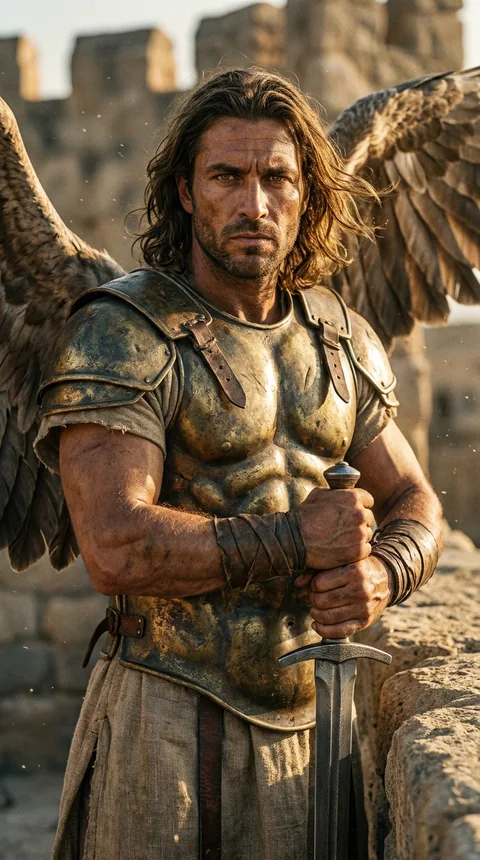
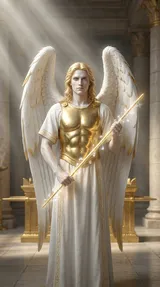
Chief commander of Heaven's angelic armies whose very name is the battle cry 'Who Is Like God?' — who leads the seraphic warhost in Revelation 12:7–9 to evict the Great Red Dragon from Heaven forever.
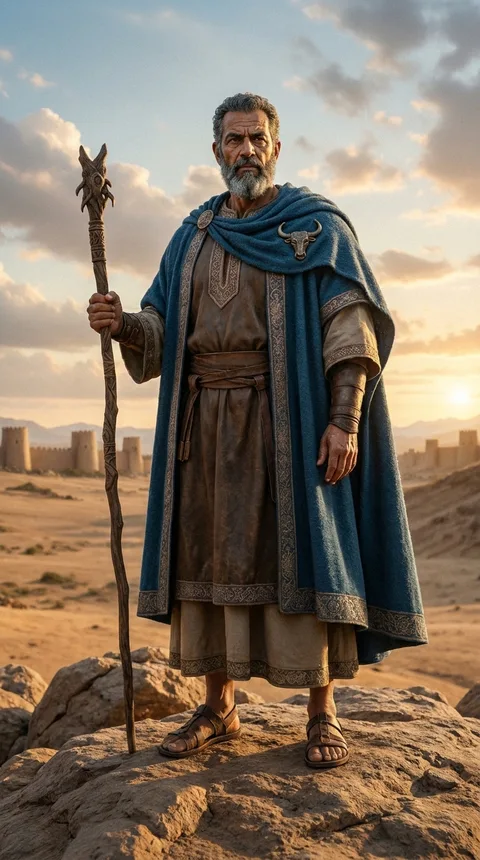
The prophet and lawgiver who commanded the Passover blood on Egypt's doors, struck the Rock at Rephidim so rivers gushed for a rebellious camp, and ascended smoking Mount Sinai.
The decorated Syrian general and 'great man of valor' who suffered from leprosy beneath his armor — and who humbled his pride at his servants' appeal, dipped seven times in the muddy Jordan River, and emerged with skin restored like a little child's.
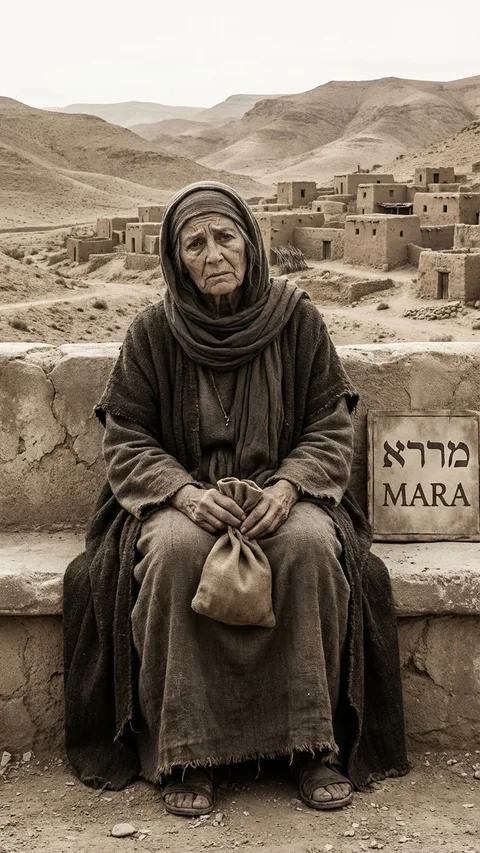
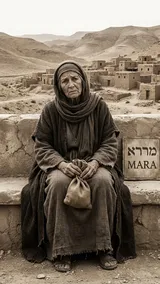
The Bethlehemite mother-in-law of Ruth who went out to Moab full and returned home empty calling herself 'Mara' — until God used Ruth's loyalty and Boaz's redemption to place baby Obed in her arms.
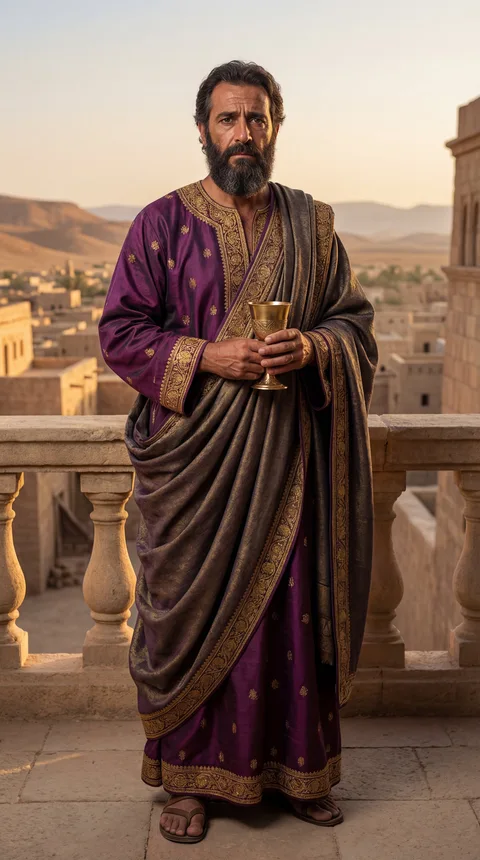
Royal cupbearer in the Persian palace of Susa who refused to numb his grief over Jerusalem's burned gates — weeping for four months, asking King Artaxerxes for royal cedar timber, and rebuilding the wall in fifty-two days.
The former Pharisee persecutor Saul of Tarsus — lowered over Damascus's wall in a basket by unnamed disciples, missionary across the Roman Empire, and aged prisoner who called a restored John Mark 'very useful to me for ministry.'
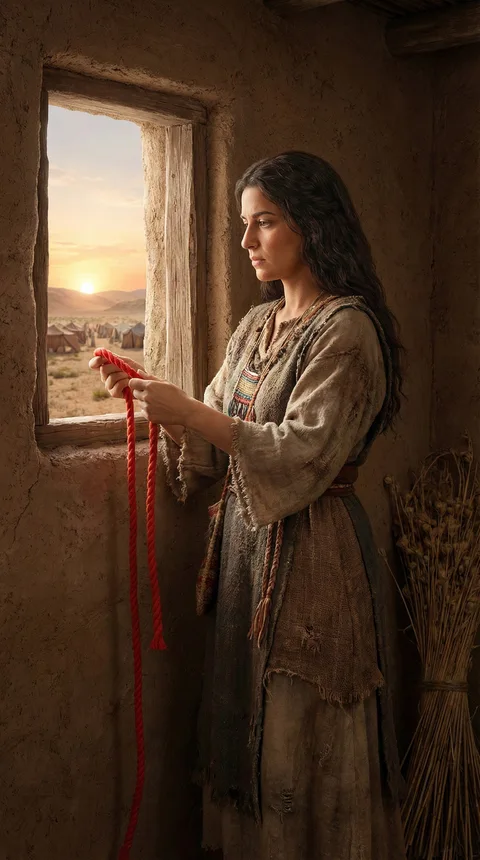
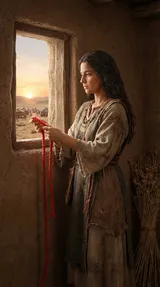
The Canaanite woman of Jericho who hid Israel's spies under stalks of flax, hung the scarlet cord from her window in the city wall, and was grafted into the Messianic line as mother of Boaz.
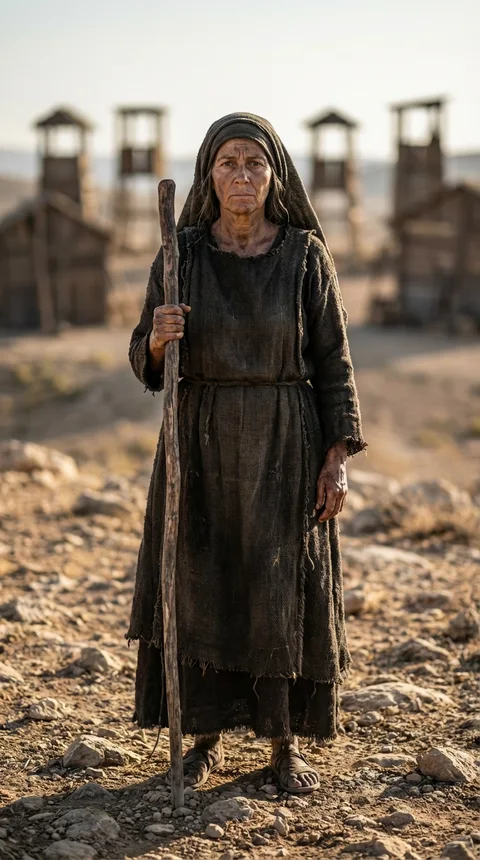
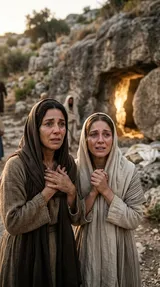
Fierce, grieving mother who spread sackcloth on the bare rock of Gibeah for six months — from barley harvest until the autumn rains — beating off vultures by day and jackals by night until King David honored her slain sons with burial.
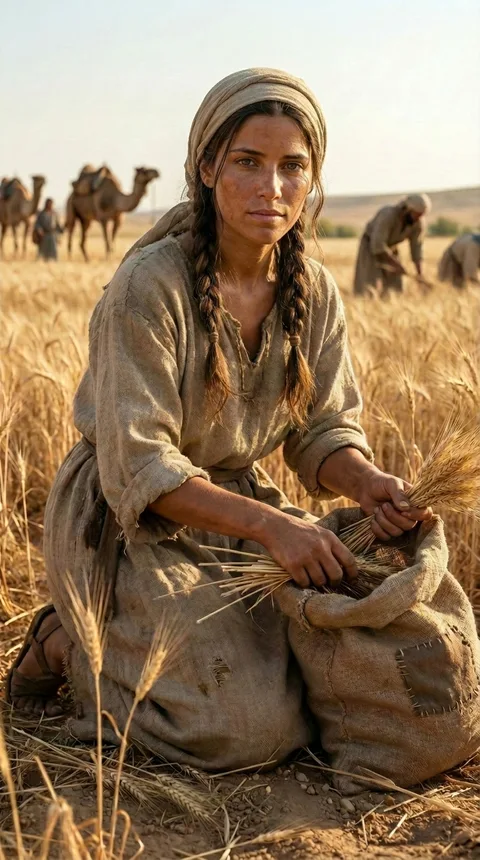
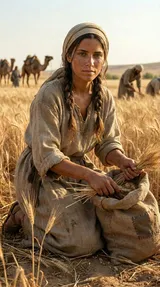
The widowed Moabite outsider who clung to Naomi declaring 'Your people shall be my people, and your God my God,' gleaned in the margins of Bethlehem's harvest field, was redeemed by Boaz, and became great-grandmother to King David in the line of Christ.
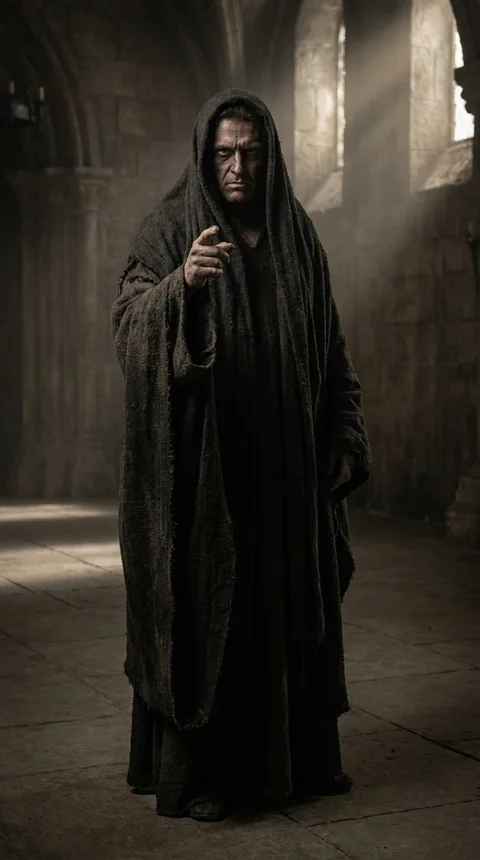
The fallen adversary and relentless prosecutor who points at Joshua the High Priest's filthy garments in Zechariah 3, is unmasked as the Great Red Dragon in Revelation 12, and is evicted from Heaven's court forever.
Third of David's elite Three Mighty Men — who took his stand in the middle of a plot of lentils when the entire army fled from the Philistines, defended the field single-handedly, and saw the LORD work a great victory.
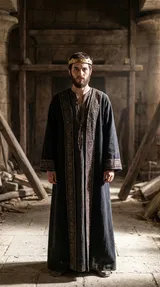
Royal secretary to King Josiah who received the rediscovered Book of the Law from Hilkiah, read it for himself, and then unrolled and read the uncompromising Word aloud before the throne.
Leading prophet from the Jerusalem church chosen by Paul after the separation from Barnabas — multiplying one missionary team into two and singing hymns with Paul at midnight in the Philippian stocks.
The Galilean fisherman who panicked in the storm, pulled back his feet in the Upper Room, and was transformed by the Pentecost fire to preach 3,000 souls into the Kingdom and open the door to the Gentiles.
The obedient company of men and women who waited together in prayer in Jerusalem until the 50th day (Pentecost) — when divided tongues as of fire rested upon each of them without consuming them.
The 450 state-funded priests of Baal who ate at Jezebel's table and limped around their dry altar on Mount Carmel from morning till afternoon, cutting themselves with swords and lances until their blood gushed out — without a single spark from heaven.
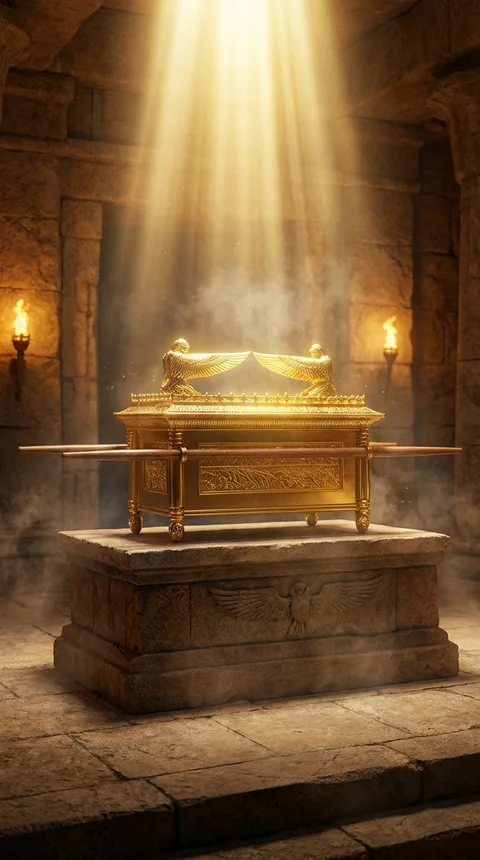
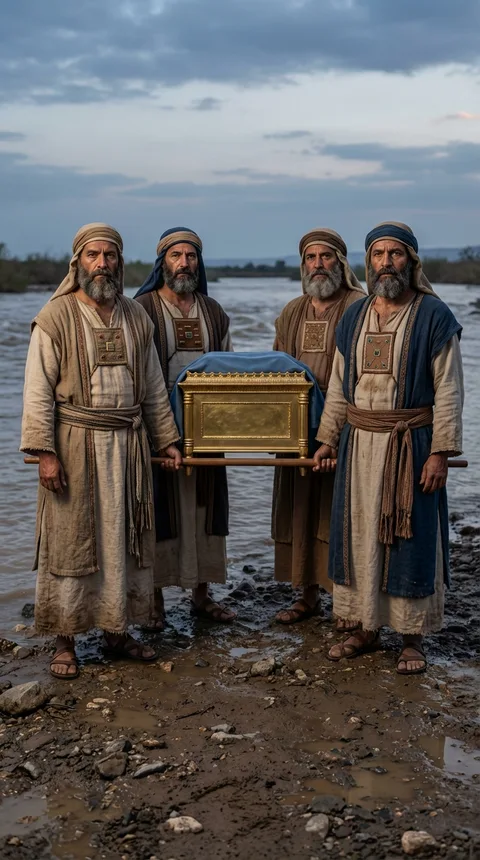
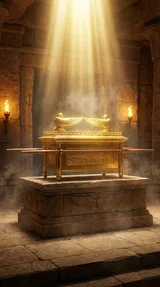
The gold-overlaid chest of God's throne presence — carried into the flood-stage Jordan to part the waters in Joshua 3, and placed inside Dagon's temple in 1 Samuel 5 where the idol fell headless before it.
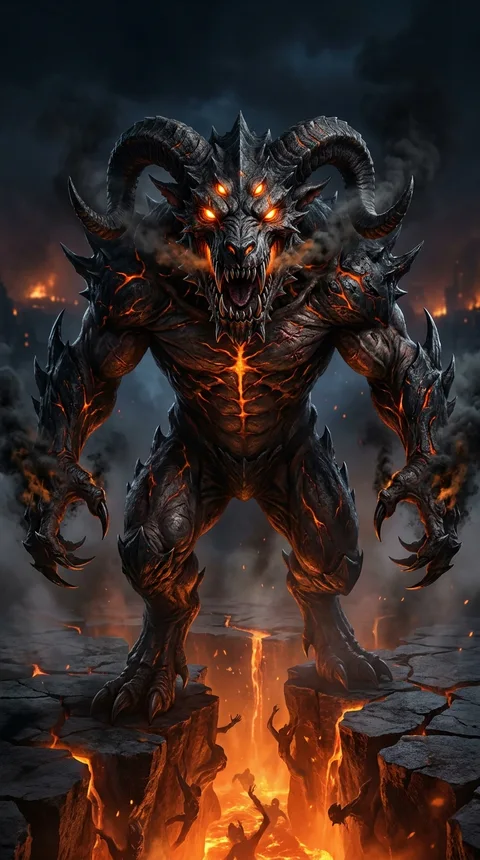
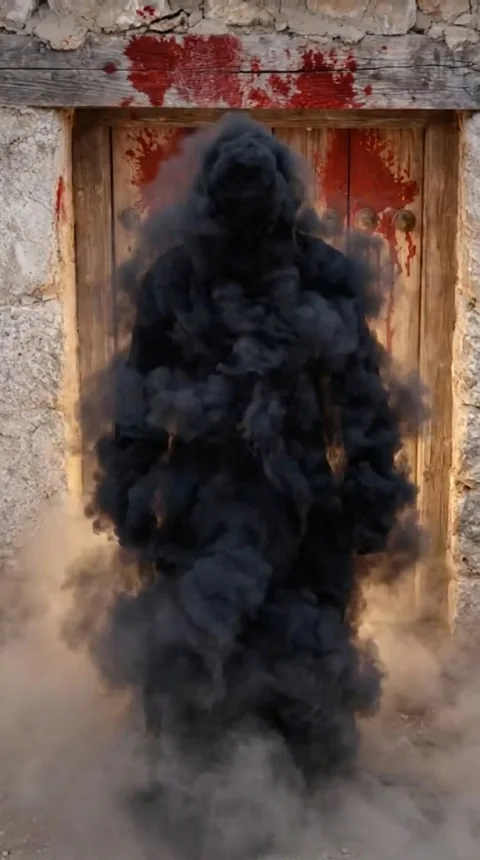
The abyssal adversary in Revelation 11:7 that rises from the bottomless pit to wage war on the Two Witnesses — yet is completely powerless to touch them until the exact day their 1,260-day testimony is finished.
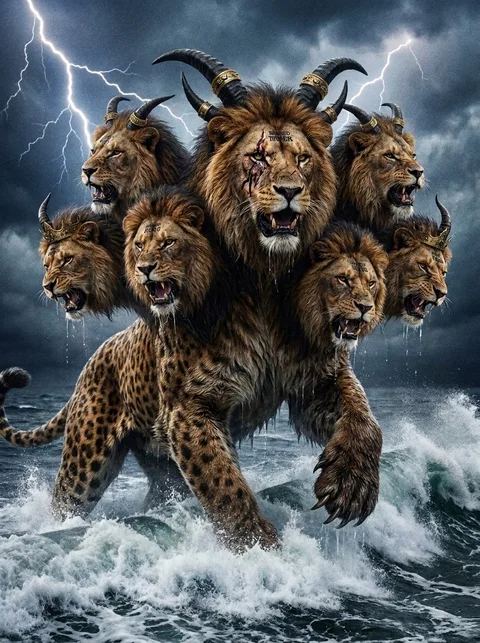
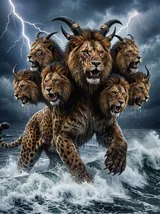
The composite tyrannical empire rising out of the sea in Revelation 13:1–10 — combining the leopard, bear, and lion of Daniel 7 with a mortally wounded head that parodies Christ's resurrection — before being seized and cast alive into the Lake of Fire.
The heavenly executor of the tenth plague at midnight in Egypt — legally forbidden by the LORD from entering any doorway marked with the blood of the Passover lamb.
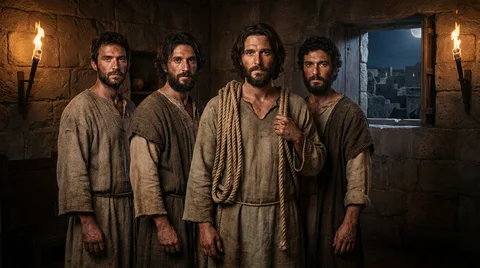
The unnamed believers in Damascus who risked execution at midnight to place newly converted Saul of Tarsus inside a woven basket and lower him through an opening in the city wall — saving the life of the author of half the New Testament.
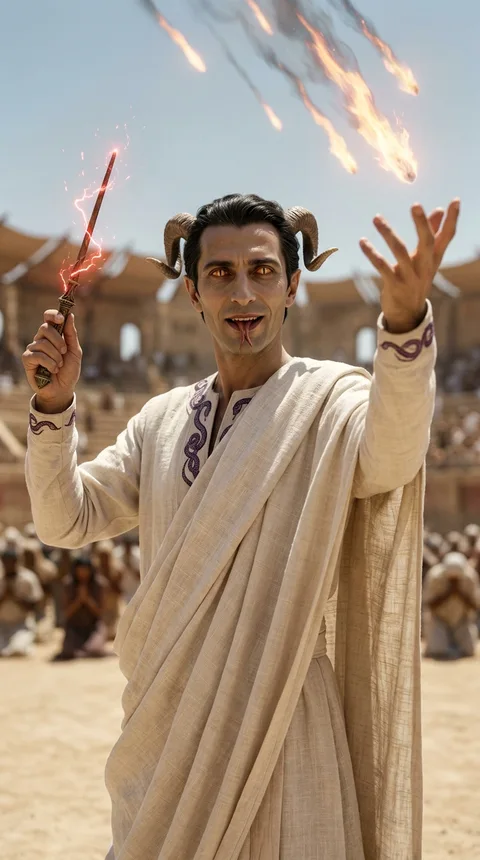
The second beast of Revelation 13:11–18 — who looks gentle with 'two horns like a lamb' yet 'spoke like a dragon,' performing counterfeit signs, animating an idolatrous image, and enforcing the economic blockade of the mark of the beast.
The first of God's Two Witnesses in Revelation 11 — clothed in sackcloth to prophesy for 1,260 days with Elijah's authority to shut the sky from rain and pour fire from his mouth upon every attacker until his testimony is finished.
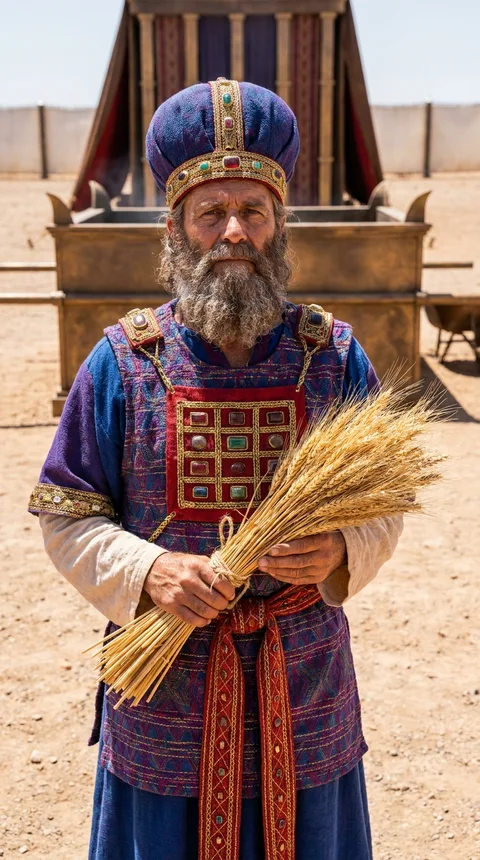
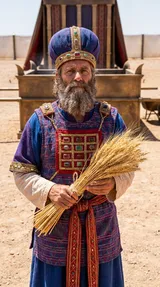
The consecrated Sanctuary mediator in Leviticus 23 who waved the single sheaf of Firstfruits barley on the morning after the Sabbath and, fifty days later at Pentecost, lifted the two leavened loaves before the LORD.
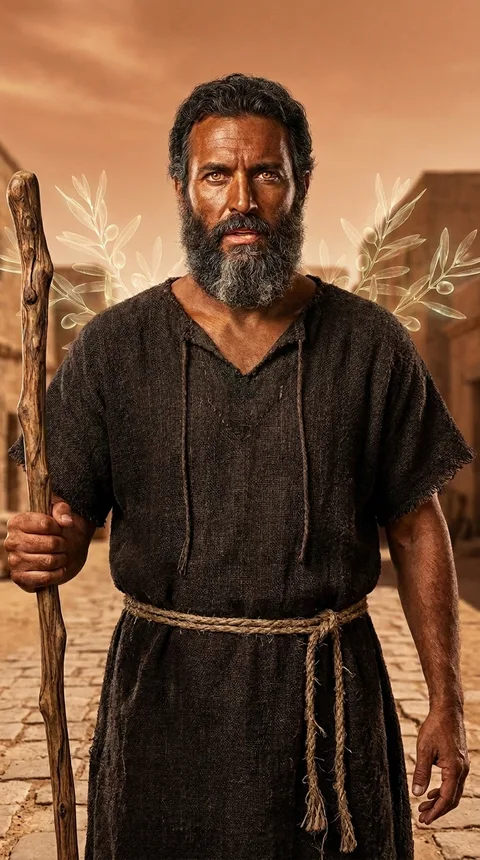
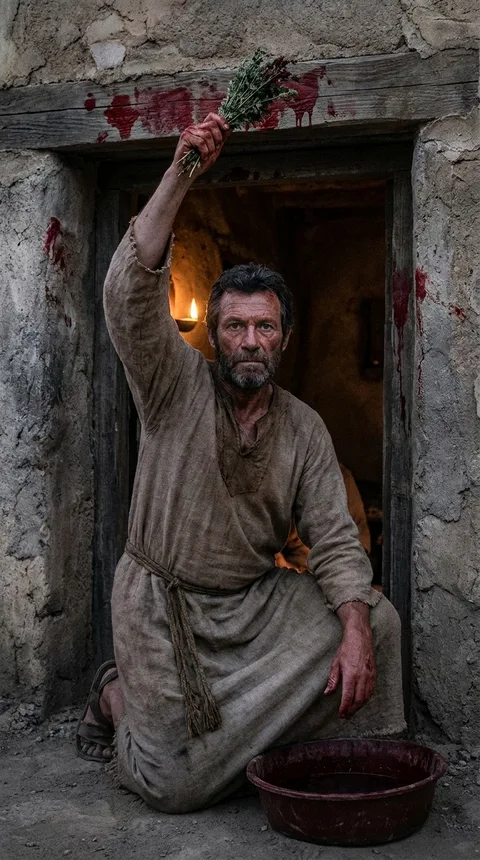
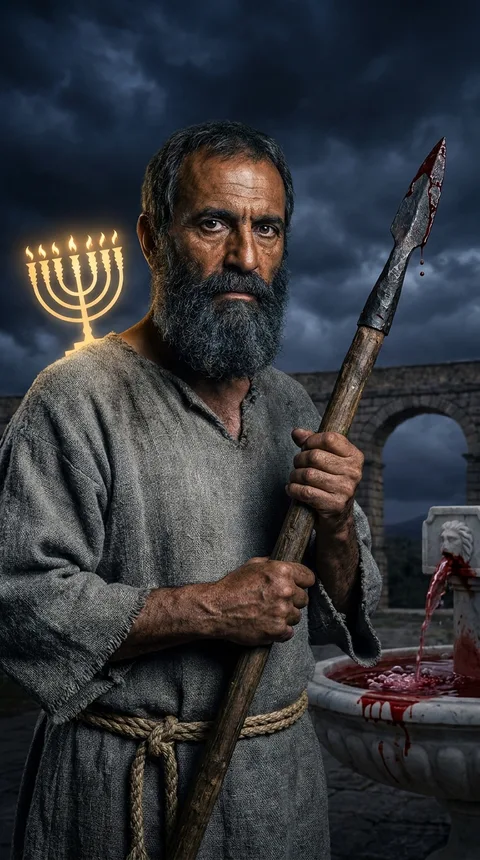
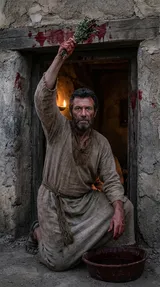
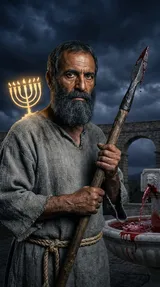
The covenant head of household in Goshen who examined the lamb for four days, slaughtered it at twilight, dipped a bunch of hyssop into the basin, and painted the blood across the lintel and two doorposts.
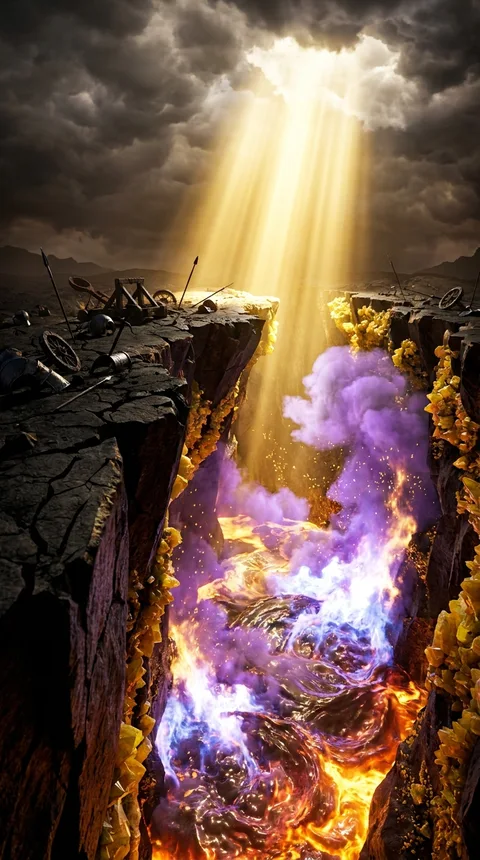
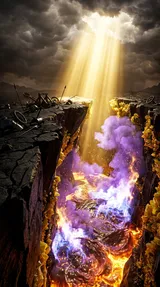
The final judicial chasm of burning sulfur into which the captured Beast and False Prophet are thrown alive at the decree of King Jesus in Revelation 19:20, followed by the Devil, Death, and Hades in Revelation 20 — ending all evil forever.
The Levitical singers clothed in holy attire whom King Jehoshaphat placed in front of the armed troops at Tekoa — whose song ('Give thanks to the LORD, for his steadfast love endures forever') triggered God's ambush against the invading horde.
The five rulers of Ashdod, Gaza, Ashkelon, Gath, and Ekron who hot-potatoed the captured Ark of the Covenant from city to city in panic as plagues broke out everywhere they moved it — until sending it back to Israel on a new cart with golden guilt offerings.
The heavenly messenger at the opening of Revelation 11 who hands John a measuring rod like a staff and commands, 'Rise and measure the temple of God and the altar and those who worship there' — marking God's sanctuary as inviolable.
The massive three-nation horde from Moab, Ammon, and Mount Seir that crossed the Dead Sea to En-gedi to annihilate Judah — and turned their swords on one another until not a single survivor escaped when Judah's choir began to sing.
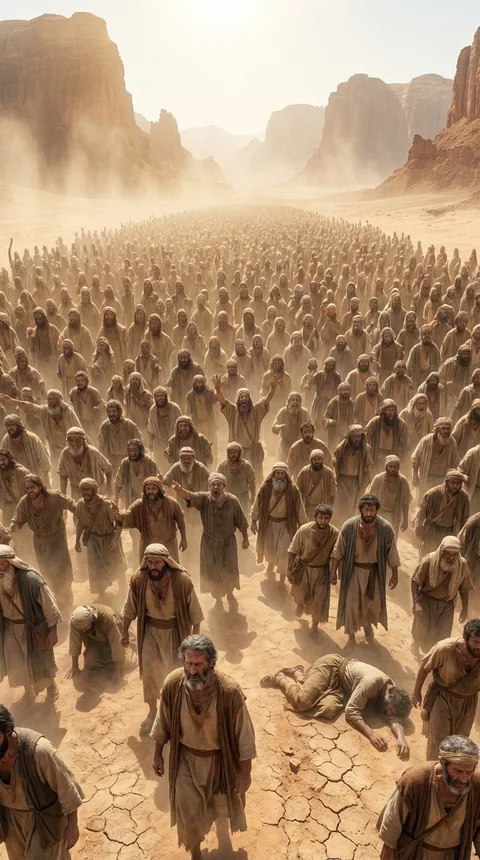
The covenant nation delivered from Egypt — who drank from the smitten Rock at Rephidim, trembled before the fire of Sinai, reaped Canaan's first grain at Gilgal, and fell on their faces on Mount Carmel crying, 'The LORD, He is God!'
The rigid religious traditionalists in Luke 5 who grumbled outside Levi's banquet demanding why Jesus' disciples feasted instead of fasting — pictured by Christ as sun-hardened old wineskins that burst under the pressure of new wine.
The iron-armed coastal invaders who assembled at Pas-dammim to plunder Israel's barley harvest — and were routed when Eleazar son of Dodo stood alone in the field until his hand froze to his sword.
The consecrated Levitical priests who hoisted the golden poles of the Ark onto their shoulders, stepped barefoot into the flood-stage Jordan River first, and stood firm on dry ground in the middle of the riverbed until every Israelite had crossed.
The pagan temple attendants in Ashdod who had to physically pick up and prop their fallen god back onto his pedestal — and who instead of repenting when Dagon's head and hands were severed, invented a superstitious rule never to step on the threshold.
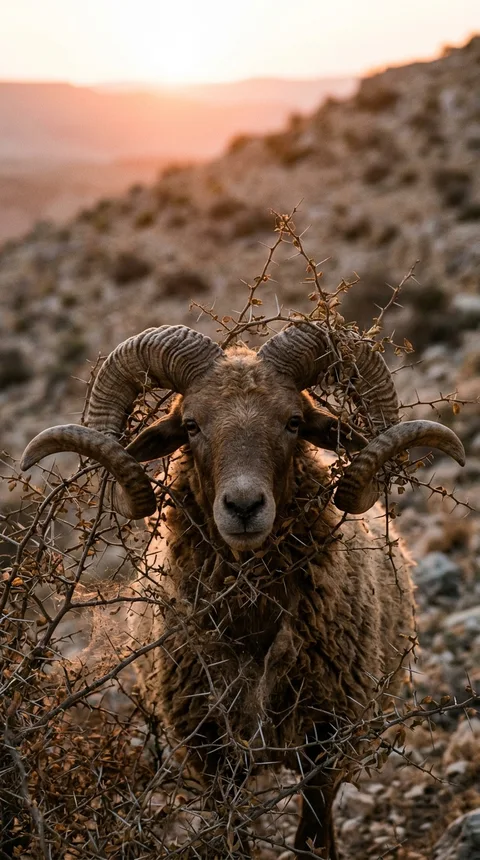
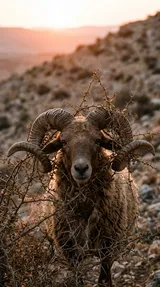
The substitute ram discovered behind Abraham on Mount Moriah with its horns entangled in a thicket of thorns — offered up 'instead of his son' as a prophetic shadow of Christ crowned with thorns.
The final rebel alliance in Revelation 19:19 gathered with the Beast to make war against the Rider on the White Horse — defeated in a single instant without a protracted battle by the sharp sword that comes from Christ's mouth.
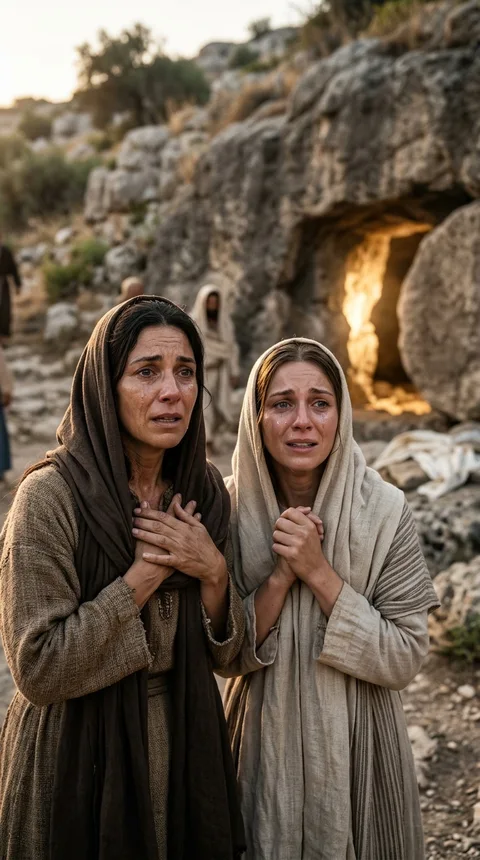
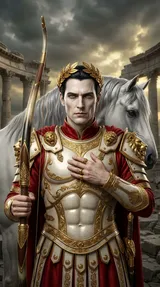
The first of the Four Horsemen in Revelation 6:2 — riding a white horse with an arrowless bow and a temporary stephanos wreath 'given to him' by permission, parodied against the true King of Kings in Revelation 19.
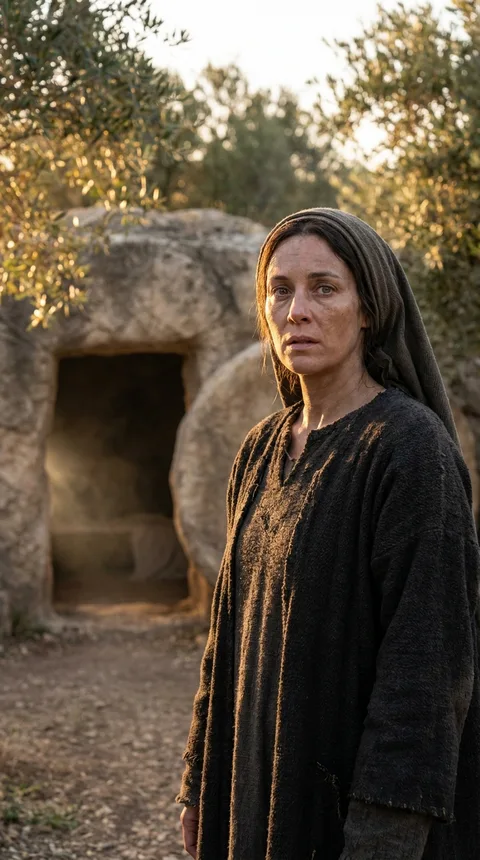
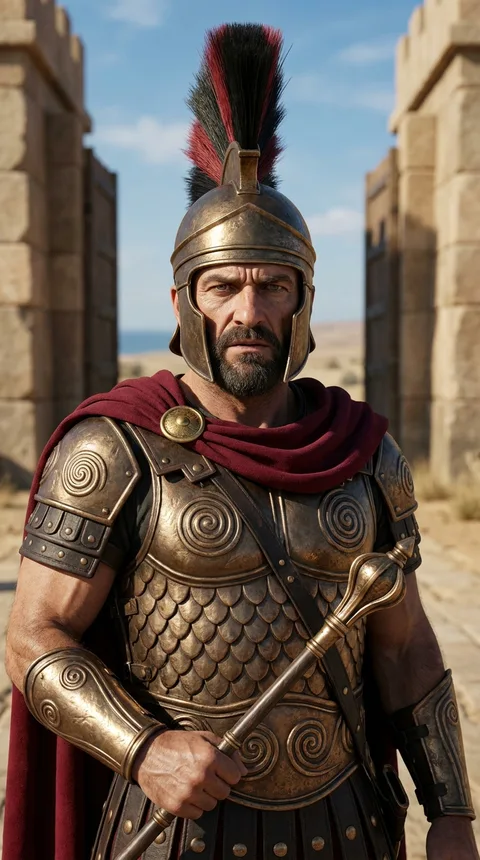
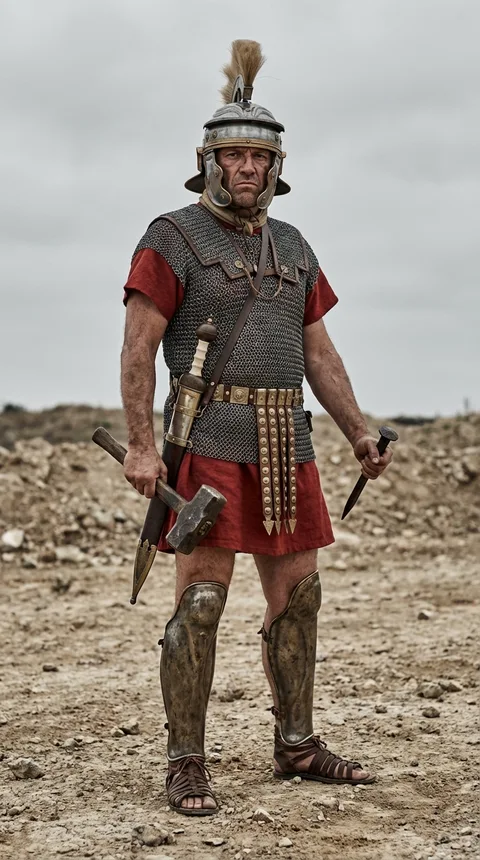
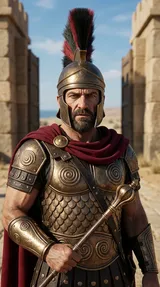
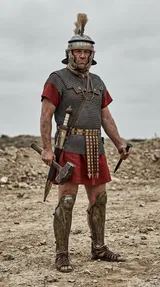
The hardened Roman commander overseeing the crucifixion at Golgotha — whose soldiers drove the nails into the unspared Substitute, and who confessed at the earthquake and torn veil, 'Truly this was the Son of God!'
The redeemed company standing unshaken with the Lamb on Mount Zion in Revelation 14:1 — stamped on their foreheads with the Lamb's name and the Father's name before any beast could enforce a counterfeit mark.
Covenant partner of the First Witness in Revelation 11 — fulfilling the biblical law of two witnesses and operating in Moses' judicial authority to turn waters into blood and strike the earth with every kind of plague.
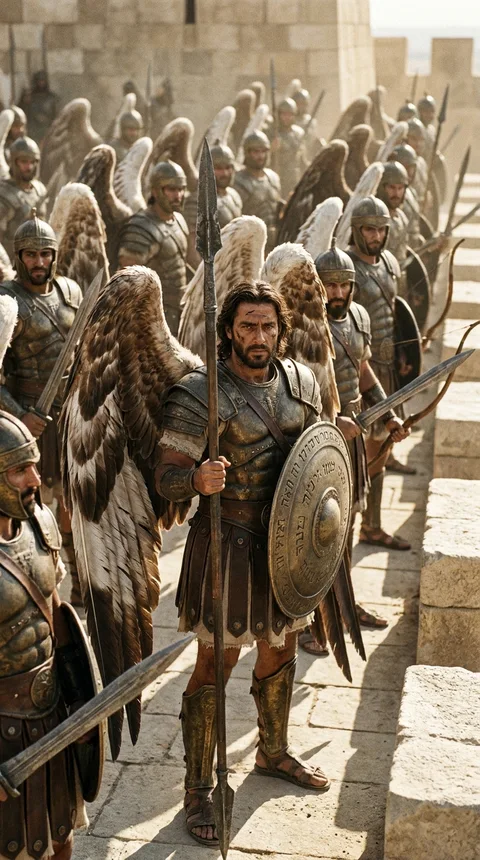
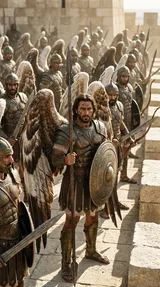
The blazing angelic legions commanded by Archangel Michael in Revelation 12:7–12 — who clear the heavenly courtroom of the Dragon and his angels and proclaim the loud anthem of salvation.
The humble country maiden forced by her angry brothers to tend scorching vineyards — who overcomes deep insecurity to rest securely under the King's banner of covenant love.
The elite Syrian cavalry and chariot force sent by night to capture one unarmed prophet in Dothan — struck with blindness at Elisha's prayer, led into the middle of Samaria, and sent home in peace after a great feast.
The sanctuary steward in Leviticus 23:17 who obeyed God's astonishing command on the Feast of Weeks (Pentecost) to knead yeast directly into the two fine-flour wave loaves — a 1,500-year-old prophecy of Jew and Gentile united in the Church.
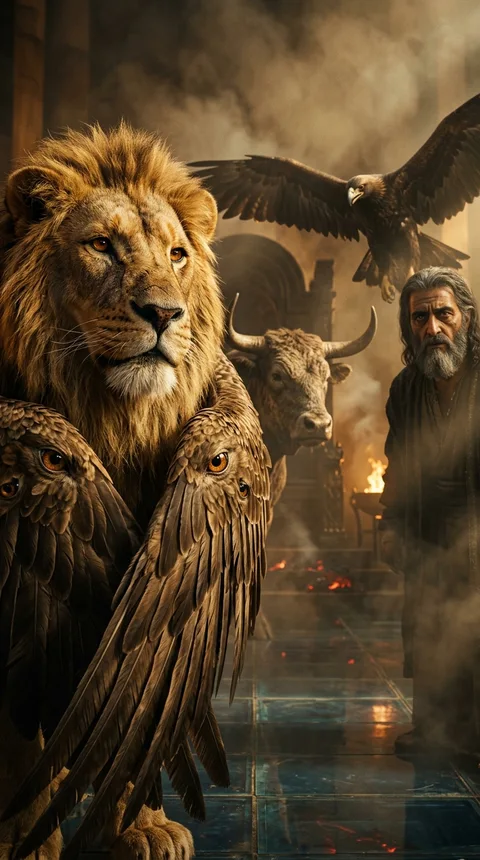
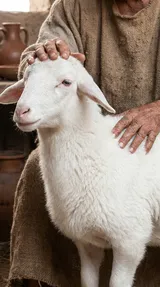
The spotless year-old male lamb brought inside the Israelite home on the tenth of Nisan, examined for four days, and slain at twilight so its blood on the wooden doorposts spared the firstborn from judgment.
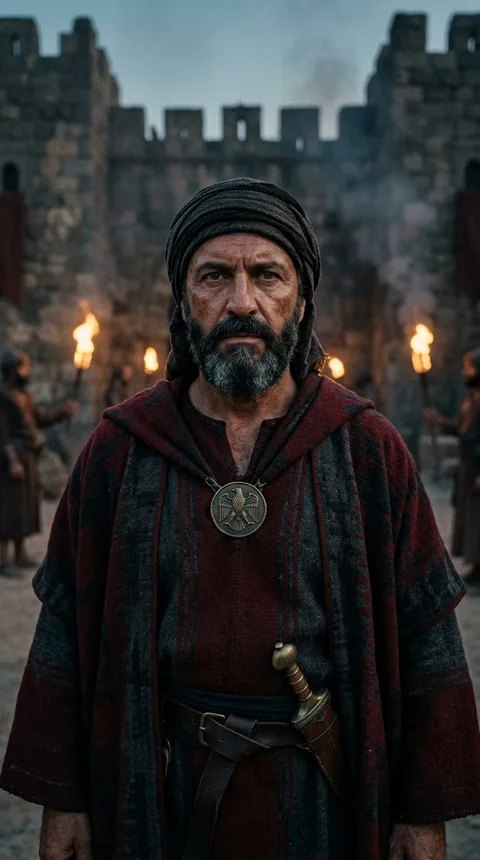
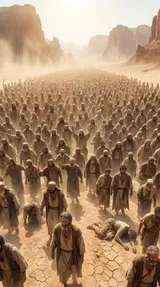
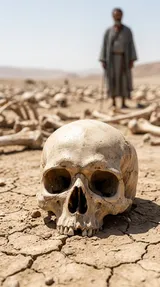
The sun-bleached skeletons scattered across Ezekiel's vision plain — representing hopeless, exiled Israel — that rattled bone to bone at the spoken Word and stood as a mighty army when the breath of God entered them.
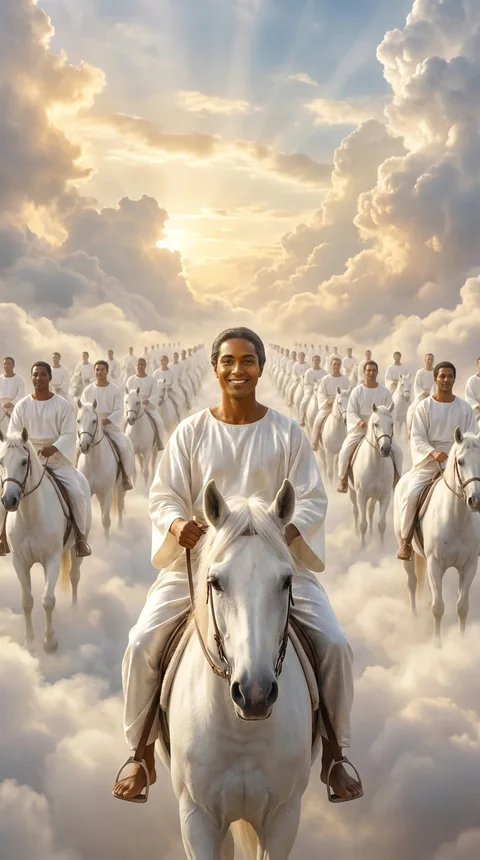
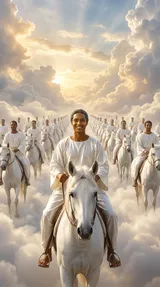
The redeemed Bride and heavenly cavalry in Revelation 19:14 who ride white horses behind King Jesus dressed not in iron armor, nor carrying a single sword or spear, but arrayed in dazzling white linen — because their Commander wins the entire battle with the Word of His mouth.
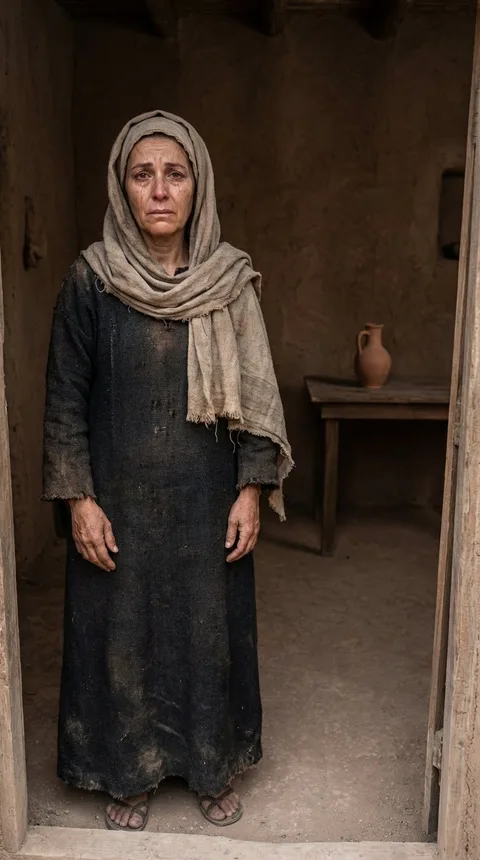
The bankrupt widow of a faithful prophet who obeyed Elisha by borrowing empty vessels from all her neighbors, shutting her door, and pouring from a single flask until every jar overflowed with ransom oil.
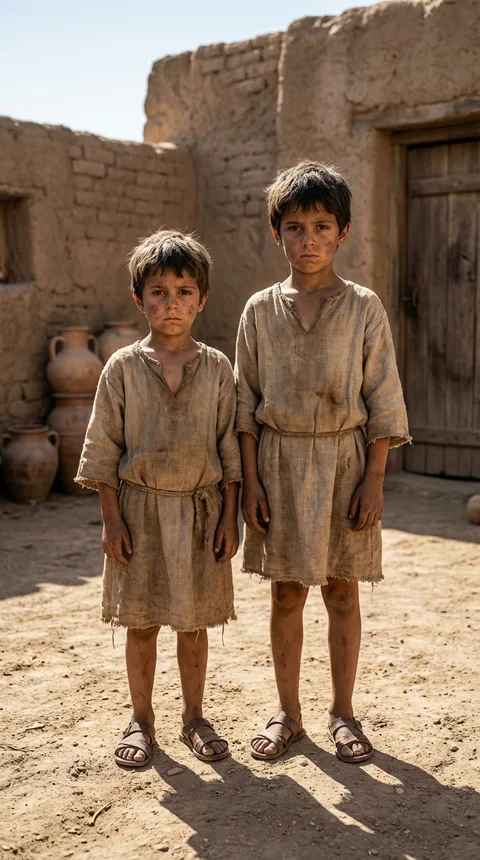
The two young brothers legally claimed as bondservants by the creditor — who gathered hollow clay jars from every neighbor and handed them to their mother behind the shut door until their ransom was paid in full.
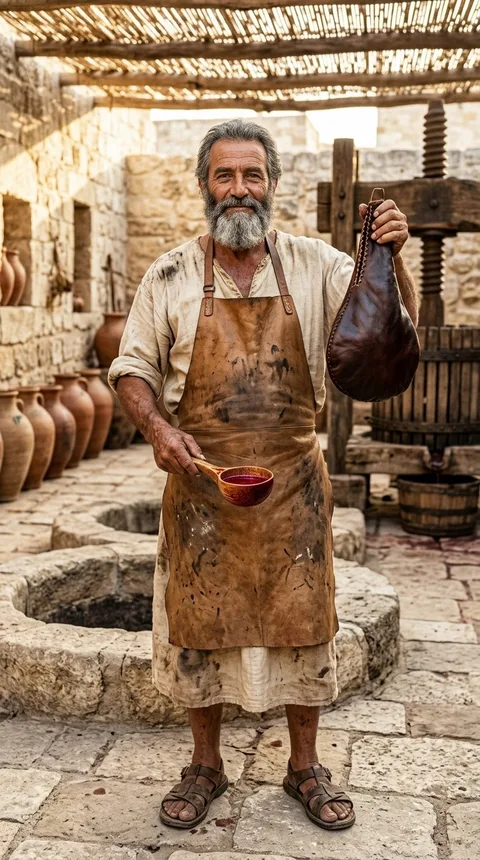
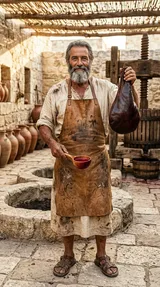
The Galilean winemaker in Jesus' parable of Luke 5:37–38 who pours fermenting new wine into fresh, oil-conditioned goatskins so both the wine and the vessel are preserved.
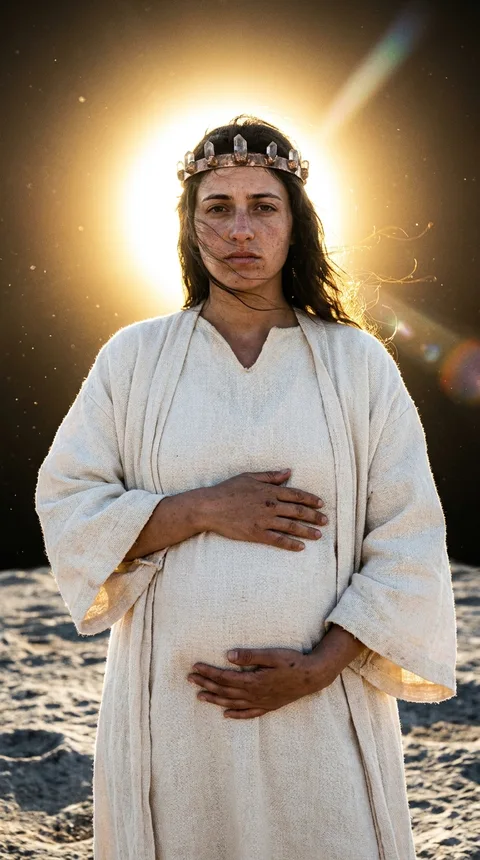
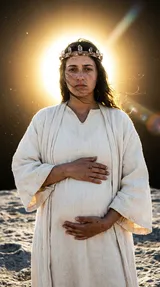
The radiant cosmic sign in Revelation 12:1 — clothed with the sun, with the moon under her feet and a crown of twelve stars — representing God's covenant people who brought forth the Messianic Child and are borne on two wings of the great eagle into safety.
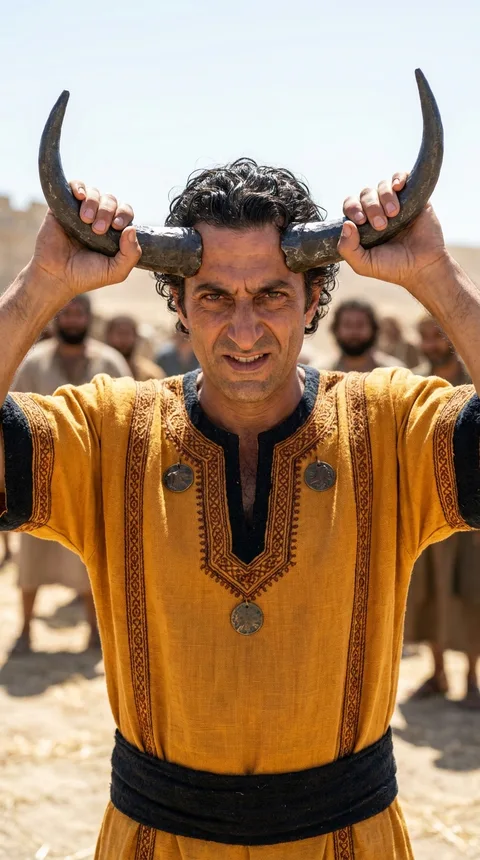
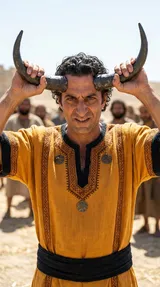
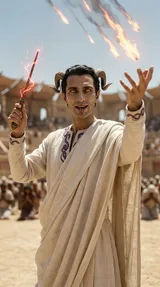
Ring-leader of Ahab's 400 court prophets who forged theatrical horns of iron to promise easy victory at Ramoth-gilead and struck the true prophet Micaiah on the cheek.
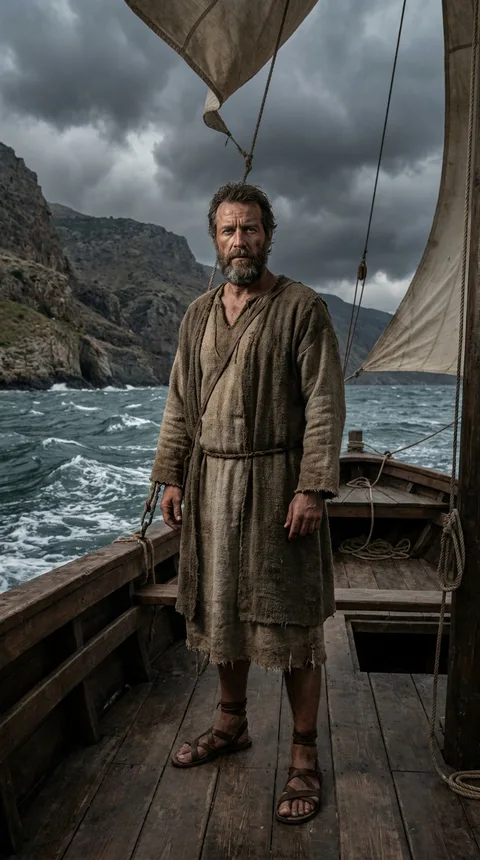
Galilean fisherman and brother of Simon Peter who first brought Peter to Jesus ('We have found the Messiah') and weathered the midnight tempest on the Sea of Galilee in the boat with Christ.
Older brother of John the Apostle, Galilean fisherman in the boat during the tempest, member of Jesus' inner three, and the first of the twelve apostles to lay down his life as a martyr in Acts 12.
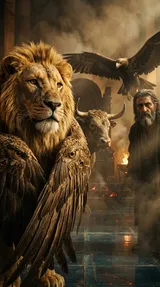
The four exalted cherubic guardians surrounding God's sapphire throne — like a lion, an ox, a man, and a flying eagle — who ceaselessly cry 'Holy, holy, holy' and thunder 'Come!' as the Lamb opens the first four seals.
The Nabataean official in Damascus under King Aretas IV who stationed armed guards at every city gate day and night to seize Saul of Tarsus — only to be outmaneuvered by a midnight basket and rope.
The unseen angelic cavalry of blazing fire ringing the mountain of Dothan all around Elisha — revealed when the LORD opened the terrified servant's eyes.
The monarch of Damascus who sent Naaman to Israel with a royal letter and later raged in his war council suspecting a traitor — until learning that Elisha in Israel heard every secret whispered in the king's bedroom.
The Israelite harvesters and Levites in the valley of Beth-shemesh who lifted their eyes from reaping wheat to see the Ark returning on the driverless cart — rejoicing with burnt offerings before learning the holy reverence due God's throne.
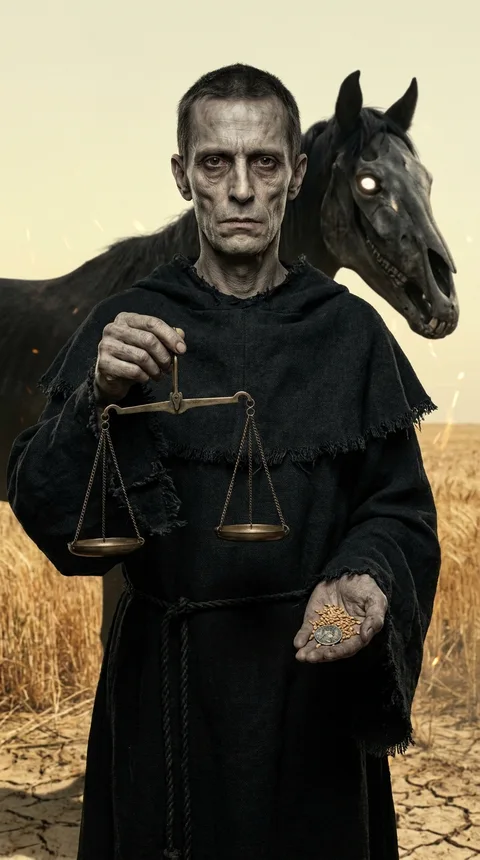
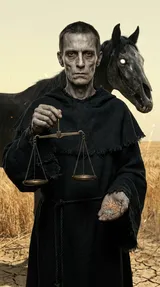
The third horseman of Revelation 6:5–6 holding a pair of merchant scales in his hand — whose famine inflation is strictly capped by a voice from the midst of the four living creatures: 'Do not harm the oil and wine!'
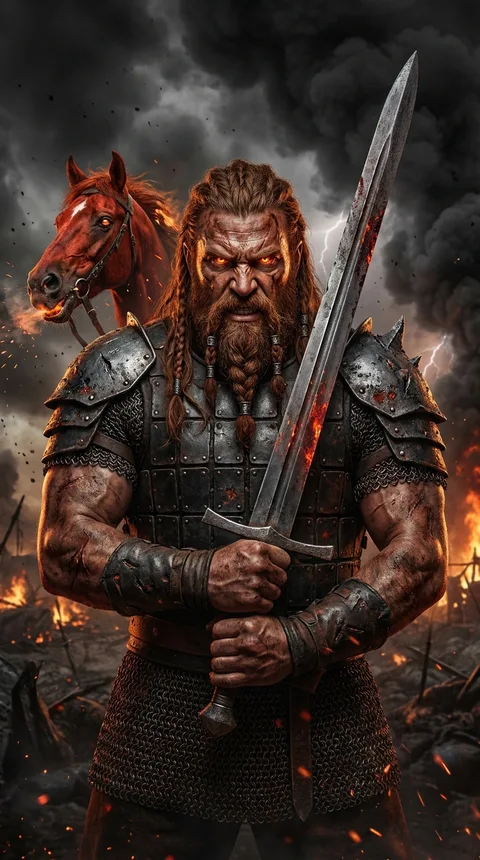
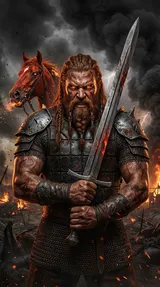
The second horseman of Revelation 6:3–4 riding a bright red horse — permitted to take peace from the earth and given a great sword only when the Lamb opens the second seal.
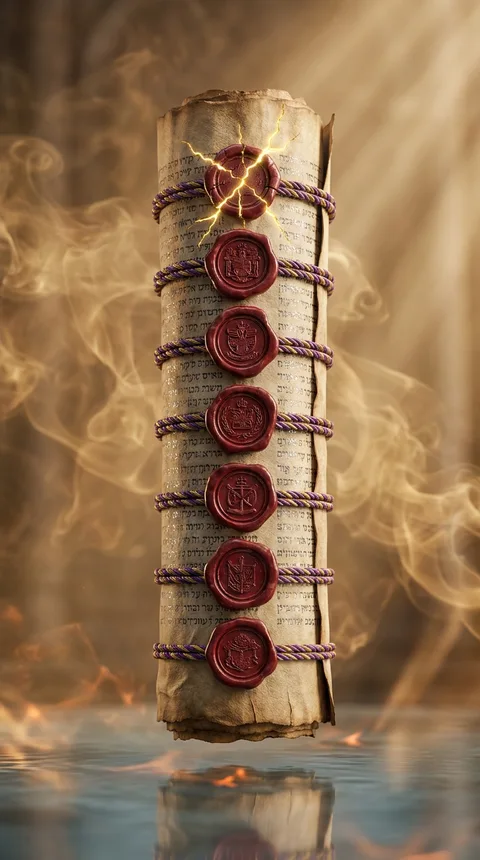
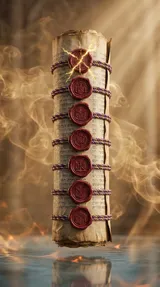
The cosmic title deed of redemption and history held in the right hand of the One seated on the throne — sealed with seven seals that no creature in heaven or earth was worthy to open until the Lion of Judah, the slain Lamb, took it.
The Canaanite storm-and-lightning idol promoted by Ahab and Jezebel — utterly humiliated on his home turf of Mount Carmel when 450 prophets screamed and bled for six hours and 'there was no voice; no one answered; no one paid attention.'
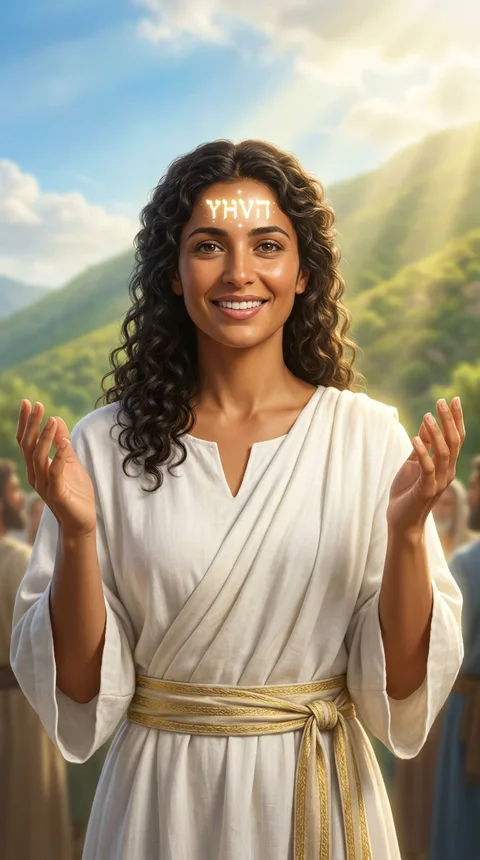
The eternal Creator, Covenant LORD (Yahweh), and righteous Judge of all the earth — who provides the Lamb, answers by fire, and reigns unrivaled on Heaven's throne.
The third Person of the Trinity — the Breath of God who raised dry bones in Ezekiel's valley, descended as tongues of fire at Pentecost, and seals every believer for redemption.
The 400 salaried yes-men at the gate of Samaria who chanted in unison what King Ahab wanted to hear — sending him to his death at Ramoth-gilead.
Firstborn son of Rizpah and King Saul, executed at Gibeah to atone for Saul's broken oath to the Gibeonites and guarded for six months by his mother's vigil on the rock.
God-fearing Roman centurion in Caesarea whose prayers and alms ascended before God — and upon whose Gentile household the Pentecost Holy Spirit fell while Peter was still preaching.
The Canaanite monarch reigning in Hazor whose general Sisera oppressed Israel for twenty years until God subdued Jabin before the people of Israel under Deborah and Barak.
Younger son of Rizpah and King Saul (distinct from Jonathan's lame son Mephibosheth) whose body his mother guarded on the rock of Gibeah until David gave him honorable burial.
The unnamed young Israelite girl carried off by Syrian raiders who waited on Naaman's wife — and whose single sentence of faith ('Would that my lord were with the prophet who is in Samaria!') set Naaman's healing in motion.
The Sidonian queen of King Ahab who slaughtered the prophets of the LORD, funded 450 prophets of Baal and 400 prophets of Asherah at her royal table, and swore to kill Elijah after his victory on Mount Carmel.
Hostile governor of Samaria who was 'greatly displeased that someone had come to seek the welfare of the people of Israel' and mocked the rebuilding of Jerusalem's wall.
The 400 men in distress, in debt, and bitter in soul who fled King Saul's broken kingdom into the Cave of Adullam — and whom David discipled into the legendary Mighty Men of Israel.
The heavenly Messenger of Yahweh who calls from heaven to stay Abraham's knife on Mount Moriah and presides as Advocate over Joshua the High Priest's cleansing in Zechariah 3.
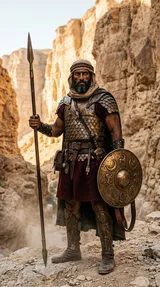
The unnamed Syrian bowman at Ramoth-gilead who 'drew his bow at random' without knowing King Ahab was in disguise — yet whose arrow was guided by God's sovereignty into the exact seam between Ahab's scale armor and breastplate.
The ancient scroll of Moses' Torah lost for decades in the temple storerooms under Manasseh and Amon — whose rediscovery by Hilkiah and reading by Shaphan tore open King Josiah's heart and ignited national revival.
The relentless lender in 2 Kings 4:1 who came to seize the widow's two sons as slaves for an unpaid debt — silenced when the miraculous oil paid his claim in full.
The Amorite remnant bound to Israel by Joshua's 400-year-old covenant oath — whose unlawful slaughter by King Saul triggered a three-year famine in David's reign.
Older brother of Moses and Israel's first consecrated High Priest, whose budded almond rod was placed inside the Ark of the Covenant and whose priestly line served at the Tabernacle altar.
Son of Zerubbabel in post-exilic Jerusalem who carried the royal Davidic genealogy into the Second Temple era.
Son of Zadok and father of Eliud in the Second Temple Messianic lineage of Matthew 1.
Leader of the house of Judah on the eve of the Exodus — father of tribal prince Nahshon and father-in-law to High Priest Aaron.
Son of Eliakim and father of Zadok in the intertestamental Messianic lineage of Matthew 1.
Daughter of Eliam, widow of Uriah the Hittite, and queen mother of King Solomon — through whom God redeemed a tragic royal failure into the Messianic line of Christ.
Younger son of Elimelech and Naomi and husband of Orpah, who died in the land of Moab after ten years.
Son of Eliud and father of Matthan in the final generations before Joseph and Jesus in Matthew 1.
Son of Abiud and father of Azor in the post-exilic Davidic lineage of Matthew 1.
Ephrathite of Bethlehem, husband of Naomi, and kinsman of Boaz who took his family to Moab during a famine in the days of the judges and died there — leaving the inheritance that Boaz later redeemed.
Son of Achim and father of Eleazar in the royal Davidic line of Matthew 1.
Nomadic descendant of Moses' father-in-law Hobab and husband of Jael, who separated from the other Kenites, pitched his tent near Kedesh, and kept a peace treaty with Canaanite King Jabin.
Son of Perez and grandson of Judah who entered Egypt with Jacob's family and carried the Messianic line forward through his son Ram.
Son of Isaac and grandson of Abraham who wrestled with God at Peniel, received the covenant name Israel, and fathered the twelve tribes including Judah in the Messianic line.
Son of Matthan and father of Joseph of Nazareth — completing the royal link from Abraham and David to the earthly home of Jesus.
Grandson of Josiah carried captive to Babylon by Nebuchadnezzar — and later released from prison after thirty-seven years to dine at the king's table, keeping the Davidic line alive in exile.
Grandson of Boaz and Ruth and father of eight sons in Bethlehem — whose youngest shepherd son David became king, and whose 'stump' Isaiah prophesied would sprout the Messianic Branch.
Righteous carpenter of Nazareth and royal heir of David — who obeyed the angel of the Lord, took Mary as his wife, named the child Jesus, and conferred the legal throne right of David upon the Messiah.
Fourth son of Jacob and Leah, ancestor of the royal tribe of David and Jesus, who confessed 'She is more righteous than I' regarding Tamar and offered himself as surety for Benjamin.
Second king of Judah, son of Rehoboam and father of Asa, who appealed to the LORD's covenant of salt with David and routed Jeroboam's army at Mount Zemaraim.
Unfaithful king of Judah to whom God nonetheless spoke the virgin-birth sign through Isaiah: 'Behold, the virgin shall conceive and bear a son, and shall call his name Immanuel.'
Short-reigning son of Manasseh and father of the great reformer King Josiah in the Messianic genealogy.
Reforming king of Judah who tore down foreign idols, cried out to God against Zerah the Ethiopian's million-man army, and fathered King Jehoshaphat.
Faithful reformer king of Judah who cleansed the temple, restored the nationwide Passover, and spread Sennacherib's threatening letter before the LORD in prayer.
Son of Jehoshaphat who married Ahab's daughter Athaliah — yet God refused to destroy the house of Judah 'for the sake of David His servant, since He promised to give a lamp to him and to his sons forever.'
Righteous son of Uzziah who built the Upper Gate of the temple and grew mighty in Judah 'because he ordered his ways before the LORD his God.'
Son of Hezekiah who plunged Judah into deep idolatry for decades, yet when taken in hooks to Babylon humbled himself greatly before the God of his fathers and was restored.
Son of Solomon under whose harsh answer at Shechem the united kingdom split in two — continuing the Davidic throne over the southern kingdom of Judah.
Prosperous king of Judah for fifty-two years in the Messianic line — in the year of whose death the prophet Isaiah saw the Lord high and lifted up on His throne.
Wealthy Benjamite man of standing and father of King Saul, in whose family tomb at Zela David buried the bones of Saul, Jonathan, and Rizpah's sons.
Husband of the prophetess and judge Deborah in the hill country of Ephraim, whose name means 'Torches / Lightning Flashes.'
The 'beloved physician' and historian of the Gospel of Luke and the Book of Acts — who remained alone by Paul's side in his final Roman dungeon and requested that Timothy bring the restored John Mark.
Son of Elimelech and Naomi and first husband of Ruth in Moab — whose name and inheritance Boaz raised up by redeeming Ruth at the Bethlehem gate.
The virgin of Nazareth who answered Gabriel 'Behold, I am the servant of the Lord; let it be to me according to your word,' bore the Son of God in Bethlehem, stood at the foot of the cross, and prayed with the 120 in the Upper Room.
Devoted widow in Jerusalem who opened her spacious home as the prayer headquarters of the early church when Peter was imprisoned by Herod.
Son of Eleazar, father of Jacob, and paternal grandfather of Joseph of Nazareth in the Messianic lineage.
Lame son of Crown Prince Jonathan and grandson of Saul — fetched from Lo-debar by King David, restored to Saul's ancestral land, and seated continually at the King's table for Jonathan's sake.
Younger daughter of King Saul and first wife of David, who helped David escape Saul's assassins through a window yet later despised him when he danced before the Ark.
Older sister of Moses and Aaron who watched over baby Moses' basket on the Nile and led the women of Israel with tambourines and dancing on the shore of the parted Red Sea.
Chief prince of the tribe of Judah during the Exodus who presented the very first dedication offering at the Tabernacle altar and fathered Salmon in the Messianic line.
Son of Boaz and Ruth whose birth in Bethlehem restored Naomi's empty arms and made him grandfather to King David in the Messianic lineage.
Moabite widow of Chilion and sister-in-law of Ruth who wept on the road to Bethlehem and kissed Naomi goodbye, returning to her people and her gods while Ruth clung to Naomi.
Son of Judah and Tamar whose birth 'broke forth' ahead of his twin Zerah, founding the Perezite clan that produced Boaz, King David, and Jesus.
The defiant monarch of Egypt who asked 'Who is the LORD, that I should obey his voice?' and hardened his heart through nine plagues until the midnight Passover broke his throne.
Son of Hezron and father of Amminadab in the royal genealogy linking Judah in Egypt to the Exodus generation.
Prince of Judah in the conquest generation who married Rahab of Jericho and fathered Boaz of Bethlehem in the Messianic lineage.
Wife of Abraham and matriarch of Israel who conceived the promised son Isaac at age ninety, turning decades of barrenness into covenant laughter.
Firstborn son of captive King Jeconiah in Babylon and father of Zerubbabel, carrying the royal promise through the seventy-year exile.
First of the seven spirit-filled deacons in Jerusalem and the first Christian martyr — who saw Jesus standing at the right hand of God and prayed for his executioners while young Saul of Tarsus guarded their cloaks.
The first woman named in Matthew's Messianic genealogy — a wronged Canaanite widow whose bold pursuit of covenant justice preserved the royal line of Judah through her son Perez.
Paul's spiritual son from Lystra — raised on the Scriptures by his grandmother Lois and mother Eunice — to whom Paul wrote his final charge from Rome: 'Get Mark and bring him with you.'
Son of Azor and father of Achim in the intertestamental royal line of David.
Galilean master fisherman and father of the apostles James and John, whose sons left him in the boat with the hired servants when Jesus called them.
Davidic prince and governor of Judah who led the first exiles home from Babylon alongside Joshua the High Priest, rebuilt the Temple's foundation, and was declared God's chosen 'signet ring.'